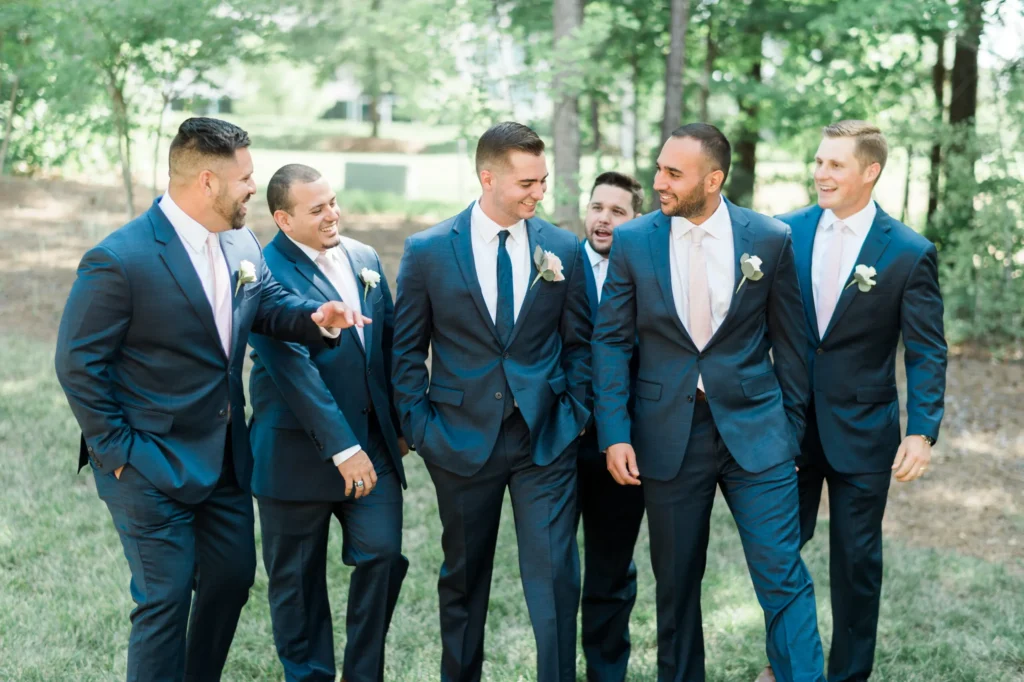
Formal dressing is more than fabric and tailoring. It is communication without words. It signals respect, awareness, confidence, and intention. Whether you are attending a wedding, gala, corporate function, or prom, what you wear becomes part of the visual record of the occasion.
Many people search for answers about formal attire, black tie dress codes, and how to stand out at elegant events. Yet most guides focus on trends instead of principles.
This is a timeless master guide to the art of formal dressing built on enduring style laws that remain relevant regardless of fashion cycles.
Nothing defines formal elegance more than fit.
A perfectly tailored suit sharpens posture. A gown that follows the natural lines of the body enhances balance. Formal wear is structured by design and structure demands precision.
It enhances posture instantly
It creates clean, sharp lines
It elevates even simple garments
It communicates attention to detail
For men, sleeve length should reveal a subtle hint of shirt cuff. Trousers should lightly break at the shoe. Jackets should contour without pulling.
For women, tailoring at the waist, bust, or shoulders ensures the garment complements rather than overwhelms the silhouette.
If it does not fit properly, it is not formal no matter the price.
Understanding formal dress codes eliminates uncertainty and prevents overdressing or underdressing.
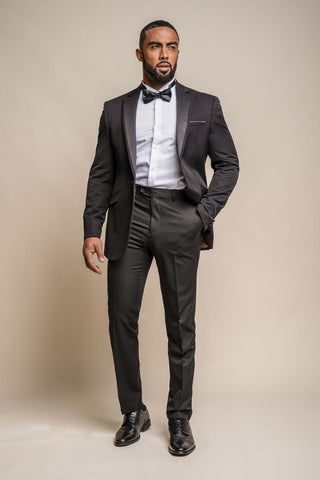
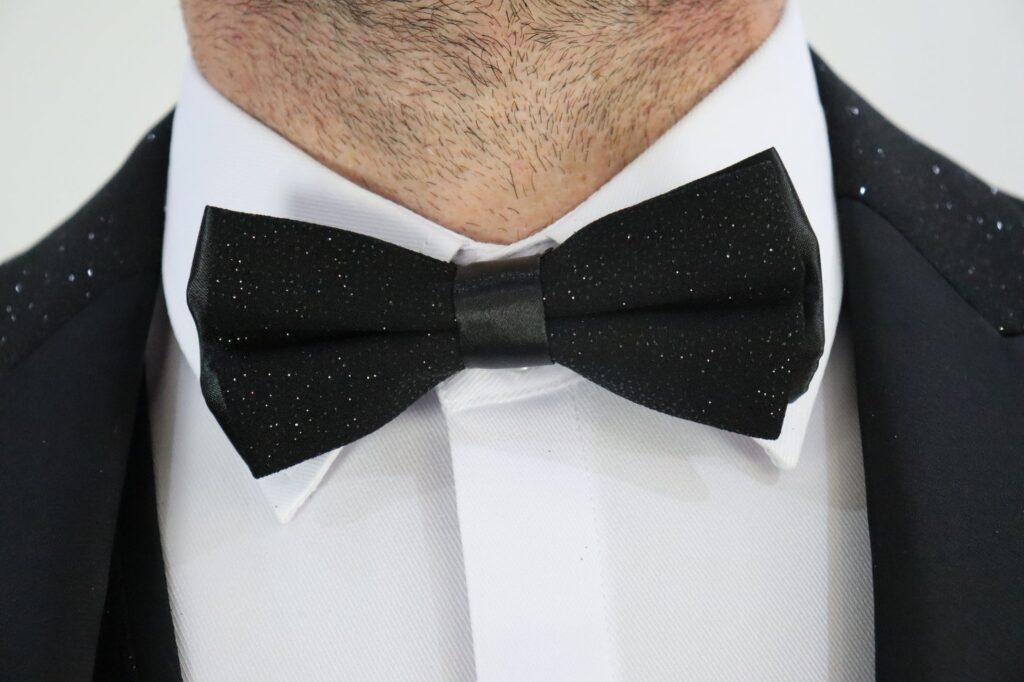
Black tie represents peak evening refinement.
Men wear a tuxedo with a black bow tie and highly polished shoes.
Women wear a floor length gown or refined formal dress.
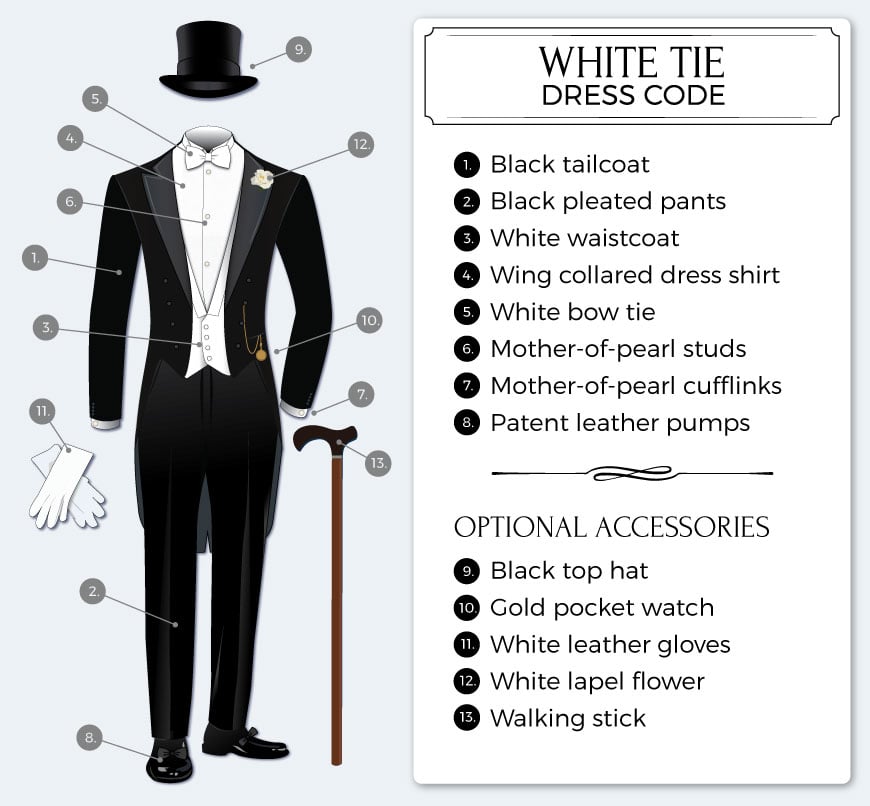
White tie is rare and highly traditional. Tailcoats and full length gowns are standard.
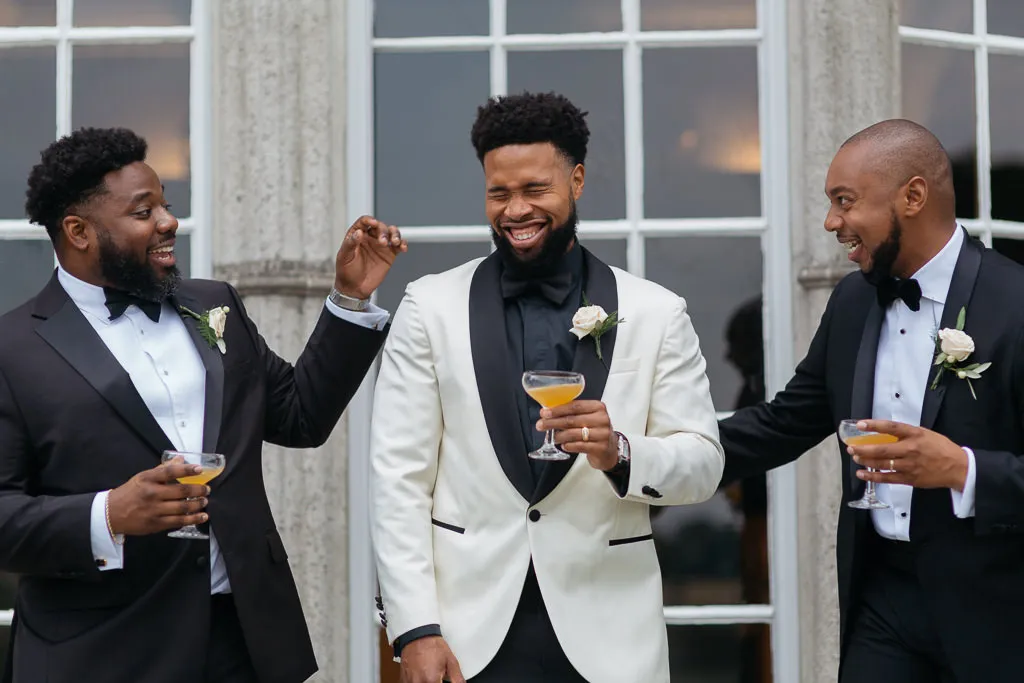
Men wear a dark tailored suit.
Women wear a structured midi or knee length dress.
The look is elevated but slightly less rigid than black tie.
Choose breathable fabrics such as linen blends or lightweight wool.
Select footwear that works with natural terrain.
Stay refined while adapting to climate and location.
The key principle is simple. Complement the occasion without competing with it.
Many people focus on the style of a garment but overlook the material.
Fabric determines how light reflects in photos, how the garment moves, how it holds its structure, and how it feels after hours of wear.
Wool and wool blends for structured suiting
Satin and silk blends for soft light reflection
Velvet for rich texture
Jacquard for subtle pattern and depth
Lower quality materials wrinkle easily and photograph poorly. Quality fabric maintains shape from arrival to the final photo.
Formal dressing is visual architecture and fabric is the foundation.
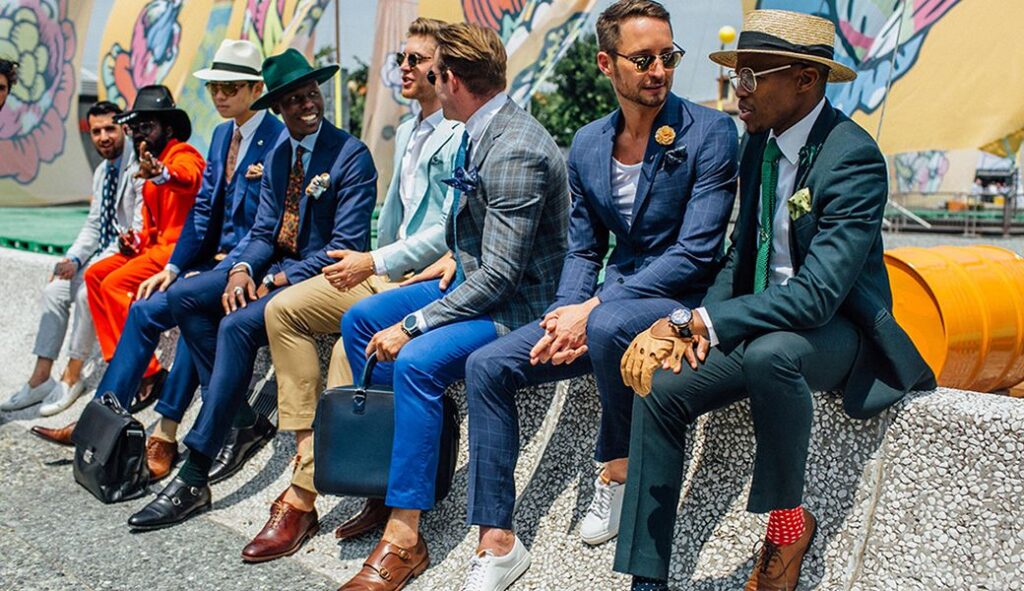
A common question is how to stand out at a formal event.
The answer is precision, not loudness.
Choose one defining element.
It could be a bold yet refined color.
It could be a sculptural neckline.
It could be a velvet dinner jacket.
It could be a monochromatic deep navy suit.
It could be a striking but minimal accessory.
Avoid stacking multiple bold elements. Elegance thrives in restraint.
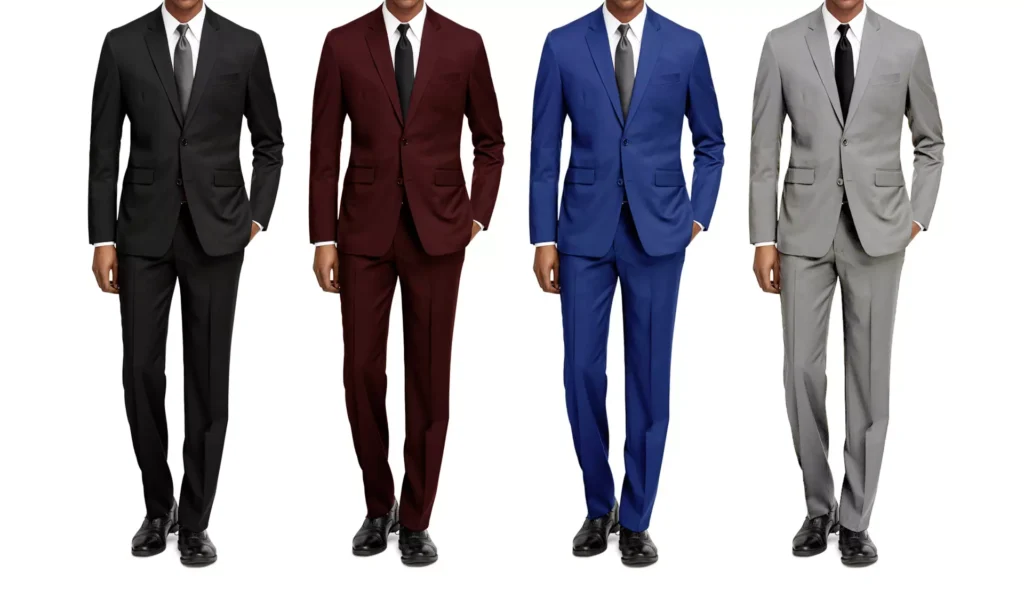
Color shapes perception.
Black communicates timeless authority.
Navy offers modern sophistication.
Charcoal delivers versatile refinement.
Deep burgundy adds controlled boldness.
Emerald or forest green brings elevated distinction.
At weddings, white and ivory are traditionally reserved for the couple unless otherwise specified.
Monochromatic styling, which means wearing varying tones of the same color, creates depth without chaos.
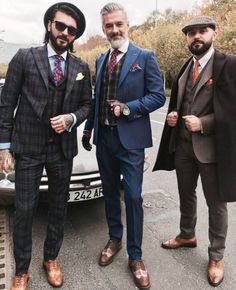
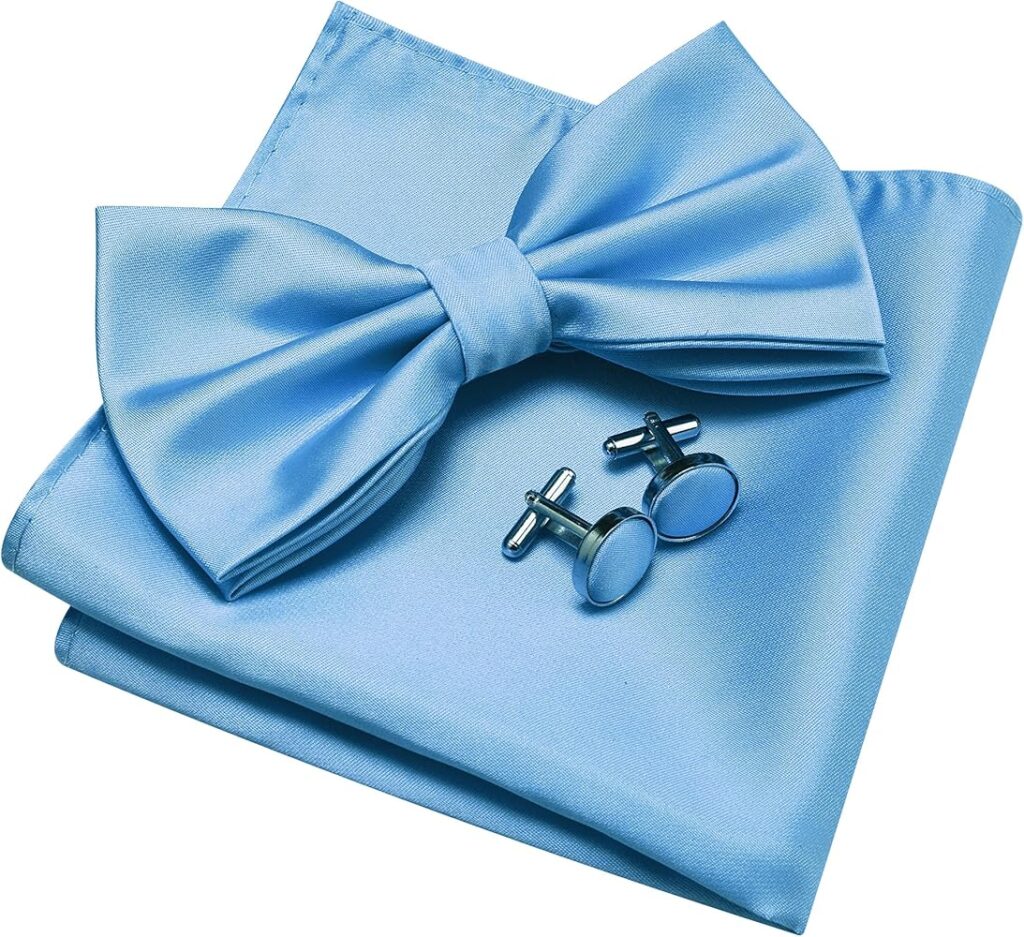
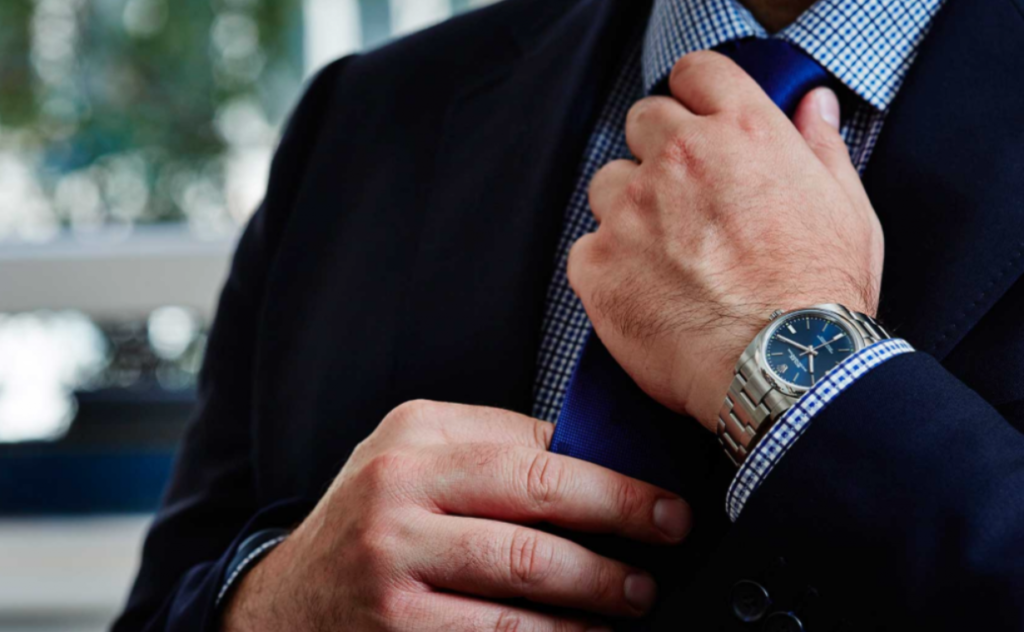
Accessories should refine the look rather than overpower it.
Bow tie or silk tie
Pocket square
Cufflinks
A quality timepiece
A structured clutch
Polished formal footwear
Accessories are finishing touches. They should enhance the outfit, not distract from it.
Many people wonder if discomfort is required to look formal.
It is not.
Confidence is more powerful than pain. Formal dressing should allow natural movement, stable posture, and ease of walking.
Polished flats, tailored loafers, or well constructed dress shoes can look just as elegant as heels.
Discomfort shows in body language and formal style is about presence.
Even the best outfit fails without preparation.
Before attending a formal event, steam or press your garments.
Polish your shoes.
Refine grooming details.
Check for lint, loose threads, and minor adjustments.
Preparation separates intentional style from accidental elegance.
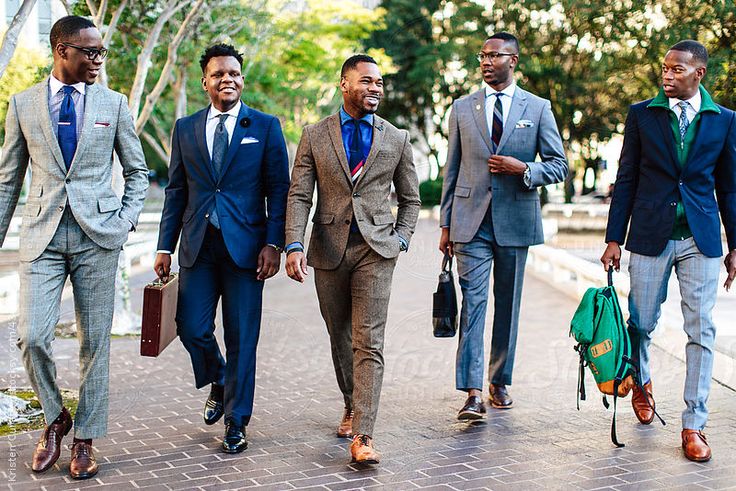
Shopping for formal wear should begin six to eight weeks before the event.
This allows time for tailoring adjustments, shoe break in, accessory coordination, and thoughtful decisions without pressure.
Waiting until the final weeks often limits sizing options and tailoring opportunities.
Many people ask whether it is worth investing in formal wear.
Rent when the event is highly trend driven or truly one time.
Invest when the silhouette is timeless, the color is versatile, and the tailoring is exceptional.
Classic pieces in navy, black, or charcoal can serve multiple weddings, galas, and formal functions for years.
Quality outlives trends.
Clothing influences posture.
Posture influences confidence.
Confidence shapes perception.
Formal dressing is not about showing off. It is about situational awareness. It signals respect for the host, the venue, and the moment.
Elegance is rarely about extravagance. It is about alignment and intention.
Prioritize fit
Respect the dress code
Choose quality fabrics
Select one defining detail
Elevate with refined accessories
Prepare meticulously
Carry it with confidence
Can I wear black to a formal event
Yes. Black remains one of the most timeless and appropriate formal colors.
Is repeating a formal outfit acceptable
Absolutely. Update the accessories or tailoring to refresh the look.
What is the most important part of formal dressing
Fit. Everything else builds upon it.
How do I stand out without breaking etiquette
Use texture, precise tailoring, or controlled color depth.
The art of formal dressing is not about chasing trends. It is about discipline, awareness, and refinement.
Prioritize structure.
Choose quality.
Exercise restraint.
Prepare with care.
And most importantly, wear it with confidence.
Because long after the event ends, the photographs remain.