The Complete Guide to Matching Men’s Accessories Correctly
Men’s accessories are no longer optional details. They are essential elements of modern men’s style. Searches for how to match men’s accessories, men’s style guide, how to coordinate men’s accessories, and how to accessorize a suit continue to rise because men want clarity and precision.
The difference between looking dressed and looking refined often comes down to accessories. The right belt, watch, tie, sunglasses, or bag can elevate a simple outfit. The wrong combination can weaken even the most expensive suit.
This is your complete, detailed, and practical guide to matching men’s accessories correctly. It covers every major accessory a man can own and explains exactly how to use each one with confidence.
The Core Rule of Men’s Accessories
Before diving into individual items, understand the universal principles of accessory coordination.
Accessories must:
- Match the level of formality of your outfit
- Coordinate in color and tone
- Align in metal finishes
- Balance in proportion
- Support your outfit, not overpower it
If your outfit is formal, your accessories must be refined and minimal.
If your outfit is casual, your accessories can be relaxed and textured.
Consistency creates polish. Randomness creates confusion.
Belts: How to Match Belt and Shoes Properly
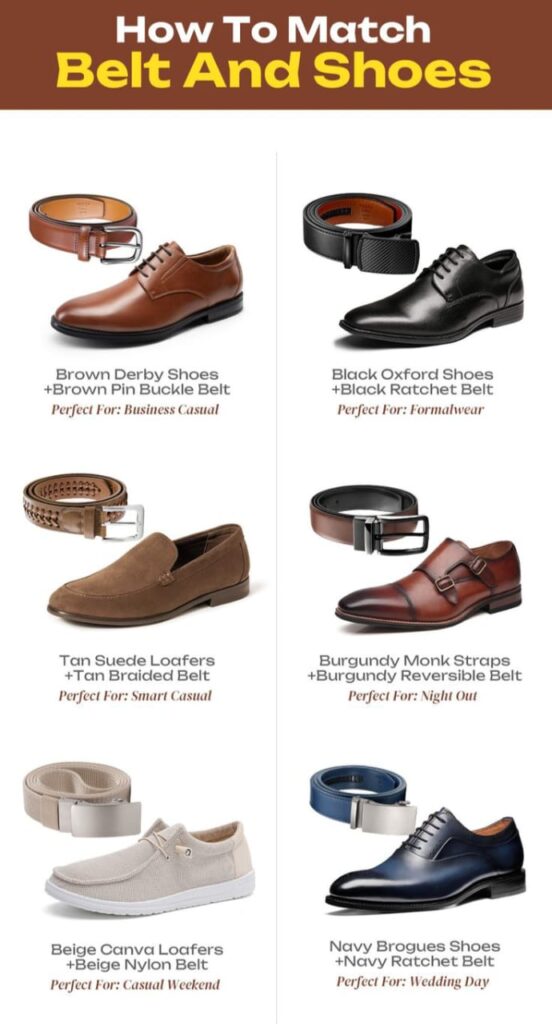
One of the most searched menswear questions online is how to match belt and shoes. This is foundational.
The Golden Rule
Your belt should match your shoes in both:
- Color family
- Finish
Black leather shoes require a black leather belt.
Dark brown shoes require a dark brown belt.
Light brown shoes pair best with a belt in a similar shade.
Suede shoes should be matched with suede or matte textured belts.
The closer the match, the sharper the appearance.
Formal vs Casual Belt Guide
Formal belts:
- Slim profile
- Small, polished buckle
- Smooth leather
Casual belts:
- Wider design
- Textured leather or woven fabric
- Larger hardware
Never wear a thick casual belt with a tailored business suit. That mismatch is one of the most common style mistakes.
Watches: Matching Strap, Metal, and Occasion
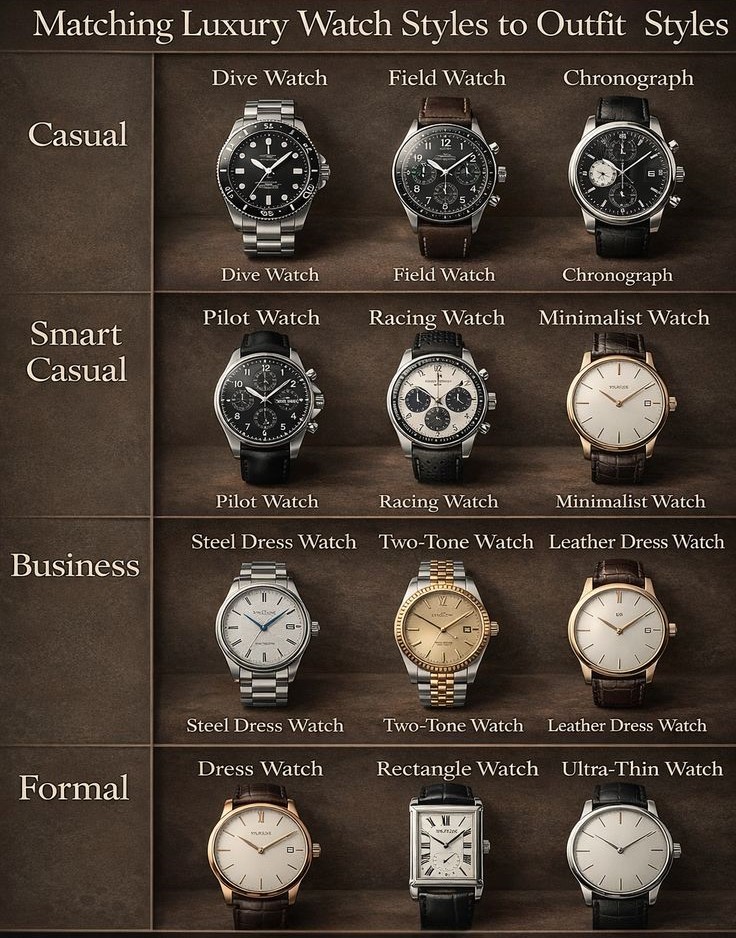
Search queries like how to match a watch with an outfit and best watches for men with suits are consistently popular.

Dress Watches
A proper dress watch should have:
- Slim case
- Clean dial
- Leather strap
Match the leather strap to your shoe and belt color. Brown strap with brown shoes. Black strap with black shoes.
Dress watches are ideal for:
- Weddings
- Business meetings
- Formal dinners
- Black tie events
Metal Bracelet Watches
Metal watches are more versatile and slightly less formal.
Silver stainless steel pairs well with:
- Grey suits
- Navy suits
- Black outfits
Gold watches complement:
- Earth tones
- Beige tailoring
- Brown leather accessories
Never mix multiple metal tones unless intentionally styled. Consistency in hardware elevates your entire look.
Smart Watches
If wearing tailoring, choose:
- Neutral straps
- Minimal watch faces
- No athletic rubber bands
A sport band with a formal suit disrupts visual harmony.
Ties: How to Match a Tie with a Suit and Shirt
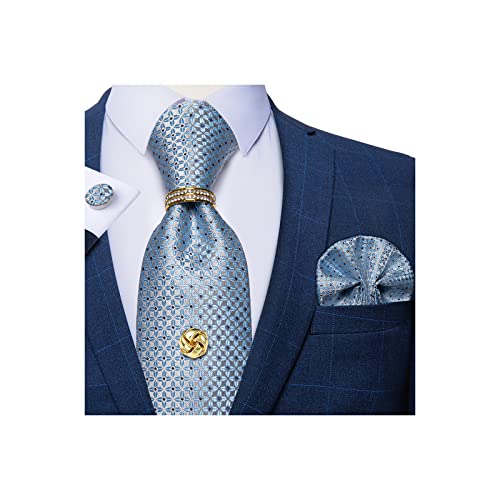
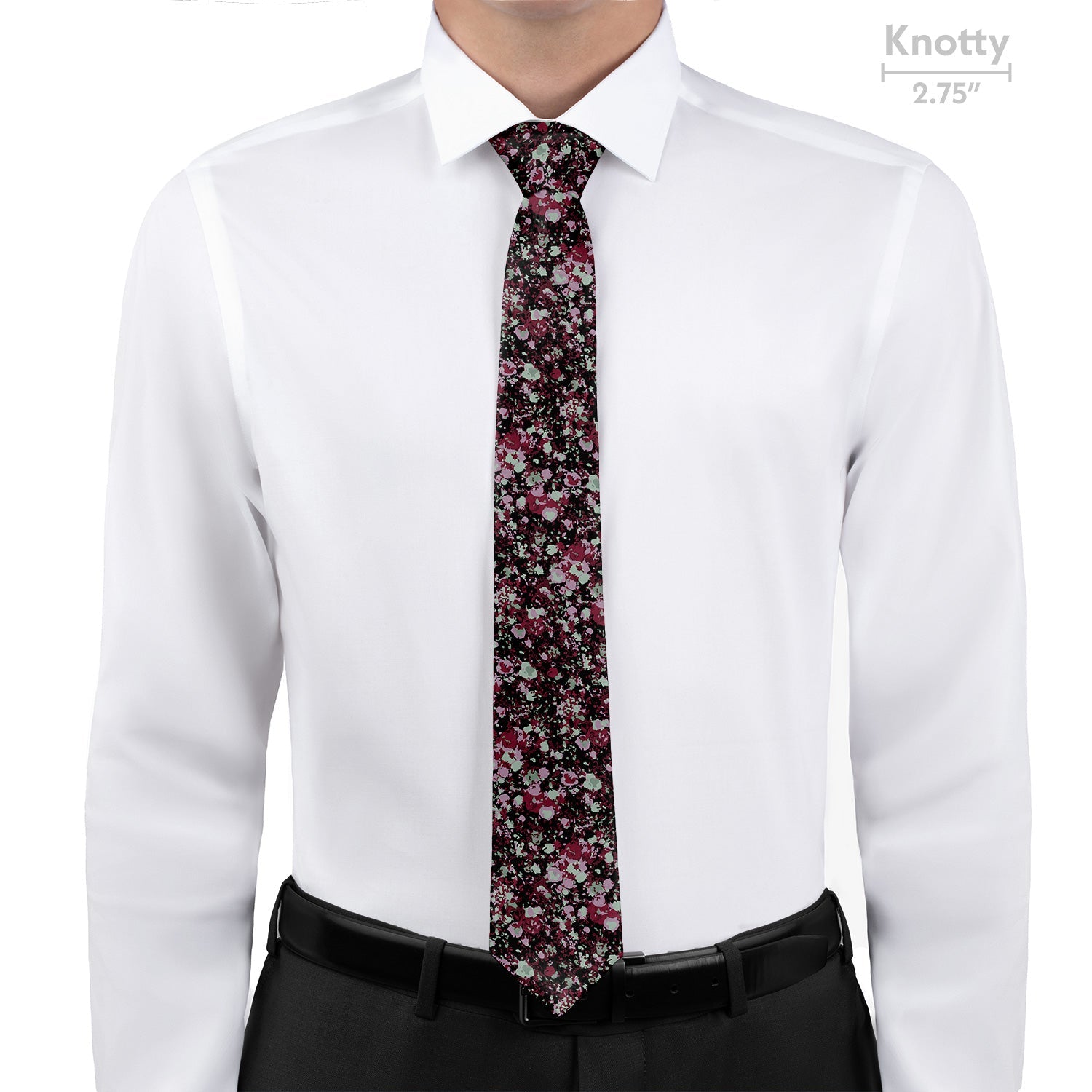
Search terms such as how to match a tie with a suit, best tie color combinations, and tie matching guide for men spike every wedding and corporate season.

Color Coordination Rules
- Dark suit with lighter tie creates contrast
- Light suit with darker tie anchors the outfit
- Navy suit pairs well with burgundy, dark green, or deep red ties
- Grey suit works with navy, black, plum, or forest tones
Avoid neon or overly shiny fabrics for professional settings.
Pattern Balancing
If your shirt has pattern, keep the tie solid.
If your tie has pattern, keep the shirt simple.
Never combine two bold patterns of similar scale. The eye needs hierarchy.
Tie Length and Width
The tip of the tie must reach the belt line. Not above. Not below.
Tie width should complement lapel width.
Slim lapels require slim ties.
Wide lapels require traditional width ties.
Proportion is everything.
Pocket Squares: The Art of Complementing
Searches for how to fold a pocket square and pocket square with tie rules are increasing because many men misunderstand this detail.
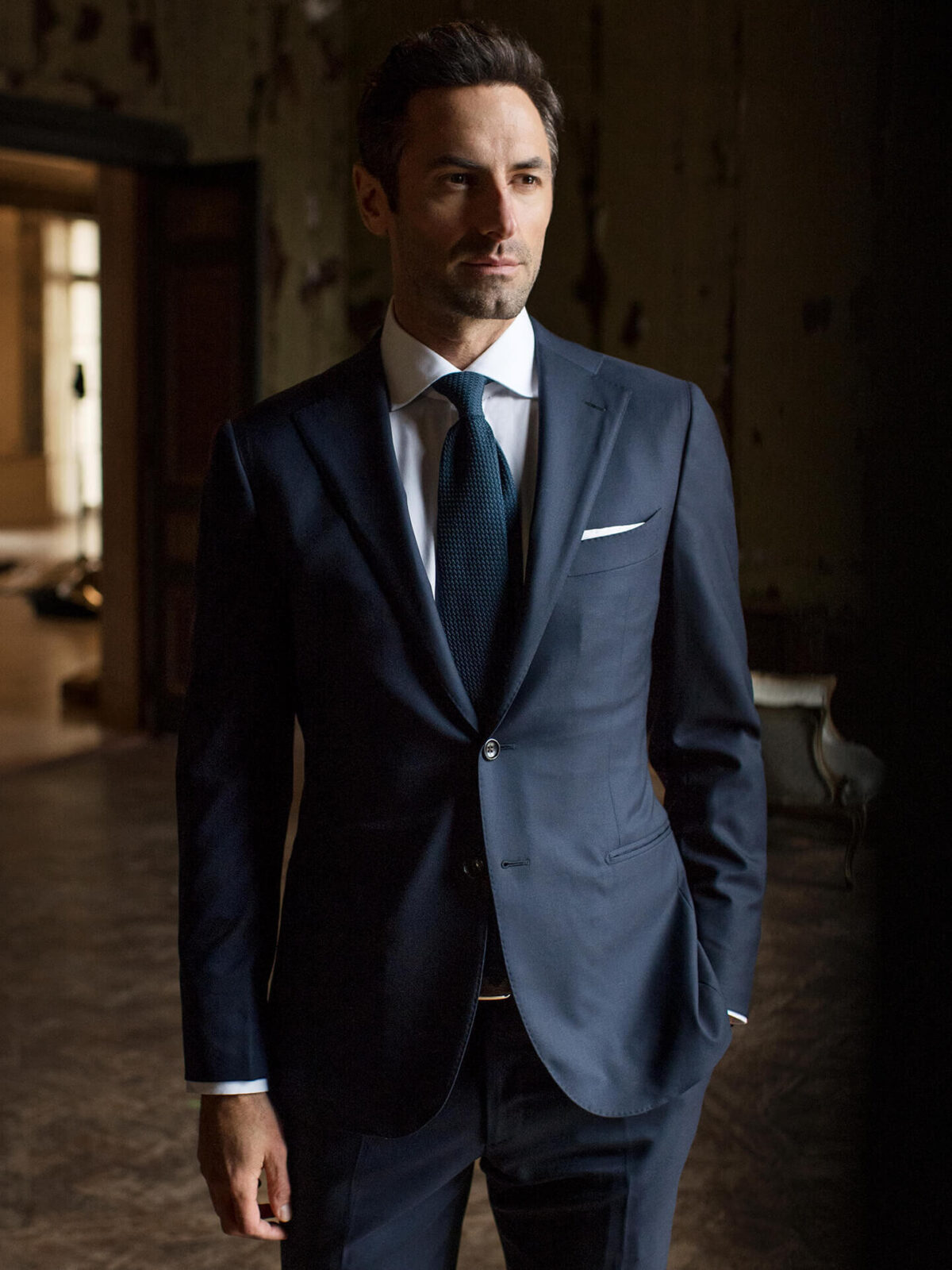


The Coordination Rule
Do not match your tie and pocket square exactly. This looks outdated.
Instead:
- Echo one color from the tie
- Introduce subtle contrast
- Use texture to add depth
For formal events, a crisp white linen pocket square in a presidential fold is timeless and elegant.
For smart casual settings, a puff fold adds softness.
Sunglasses: Matching Frames, Metals, and Face Shape
Search terms like best sunglasses for men face shape and how to style sunglasses with suits continue to trend.


Frame Selection
Aviators are classic and masculine.
Wayfarers are versatile and universally flattering.
Round frames feel artistic and modern.
Match metal frames with your watch hardware for visual consistency.
Neutral lens colors such as grey, green, or brown offer maximum versatility.
Avoid sporty wraparound sunglasses with tailored clothing.
Cufflinks and Tie Bars: Precision Details
Often searched during wedding season, these small accessories can dramatically elevate formal wear.


Cufflinks
Only wear with French cuff shirts.
Silver remains the safest and most versatile choice.
Gold should coordinate with other gold hardware such as your watch.
Avoid novelty cuff links in formal environments.
Tie Bars
Place between the third and fourth shirt buttons.
Width must not exceed tie width.
A tie bar should secure the tie to the shirt placket. It is functional, not decorative excess.
Hats: Matching Headwear to Outfit Formality
Search interest for men’s hat styles and how to wear hats with suits continues to grow.


Fedoras require structured tailoring.
Flat caps complement heritage and smart casual outfits.
Baseball caps should remain within casual styling.
Beanies belong to relaxed winter layering.
Never pair highly formal tailoring with athletic caps.
Bags, Briefcases, and Wallets: Leather Coordination Matters
Searches for best men’s leather briefcase and men’s work bags style guide show how important this category has become.
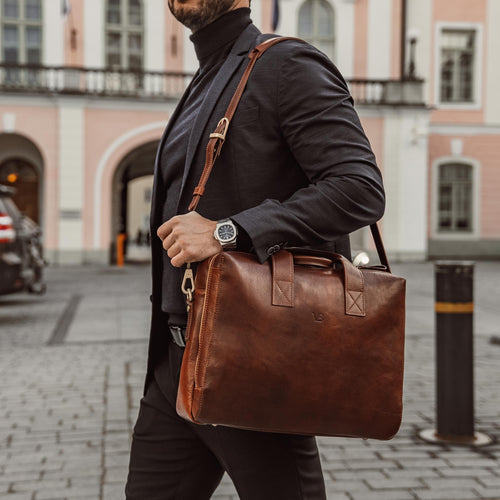

Matching Leather Accessories
Your leather accessories should coordinate across:
- Shoes
- Belt
- Watch strap
- Bag
- Wallet
They do not need to be identical in shade, but they must sit in the same tonal family.
Avoid athletic backpacks with business suits.
A structured leather briefcase enhances professional authority.
Men’s Jewelry: Rings, Bracelets, and Necklaces
Search interest in men’s minimalist jewelry and how to wear rings for men has grown significantly.
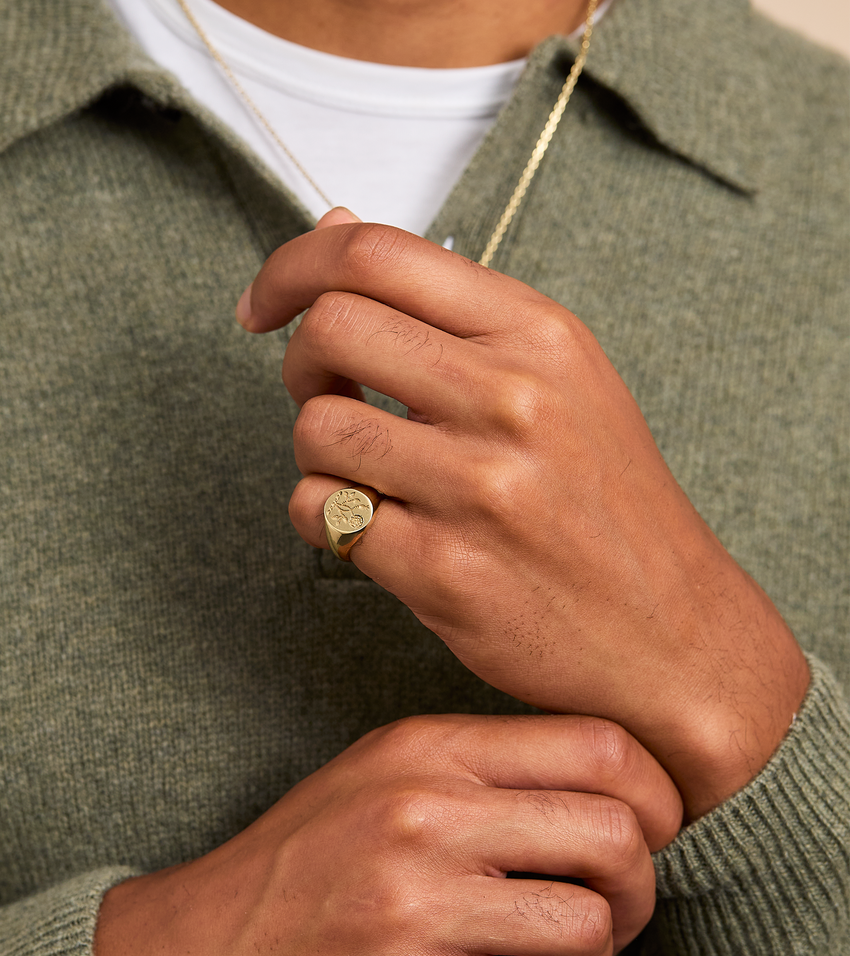
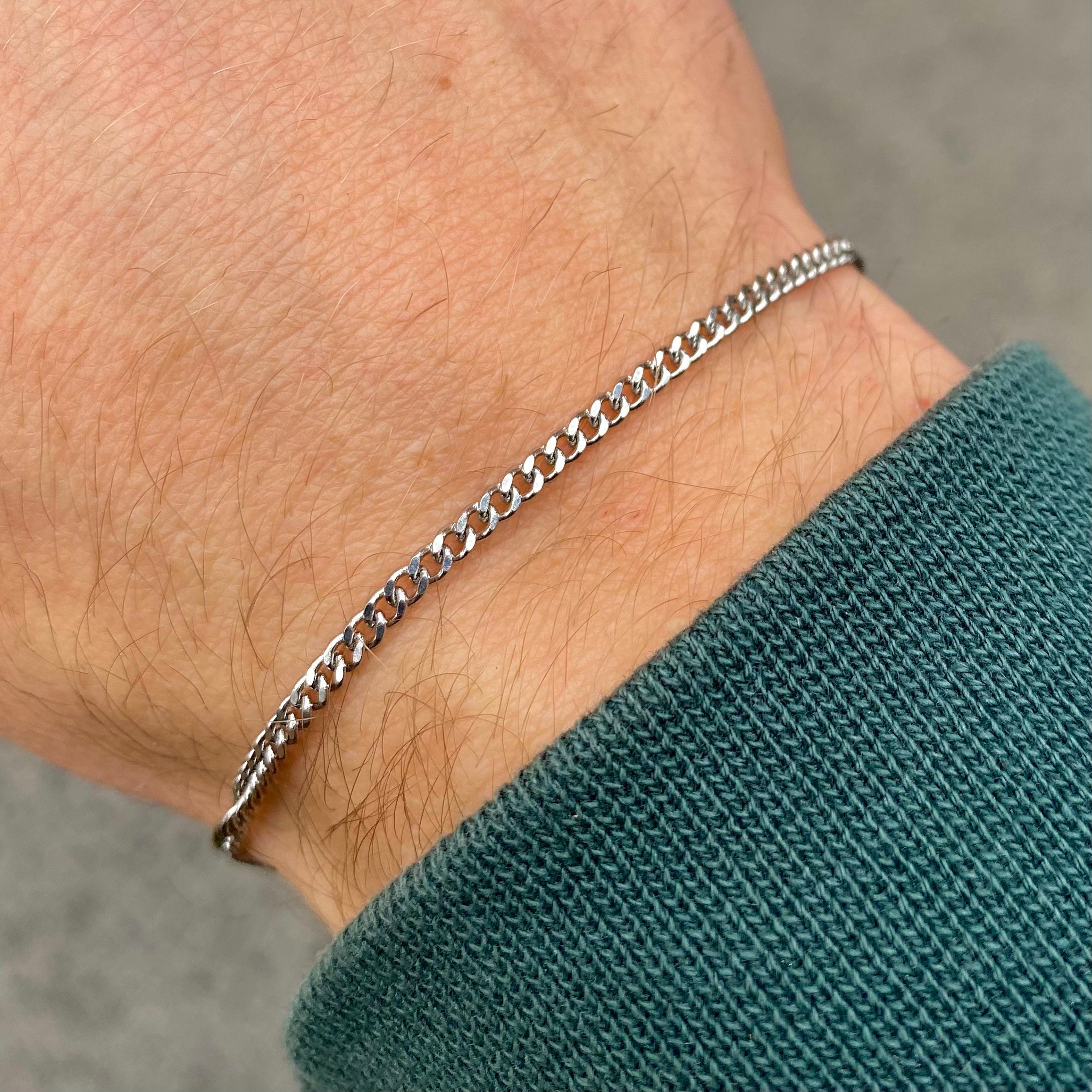
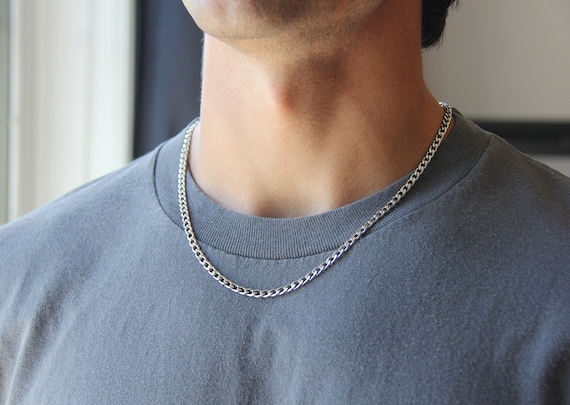
Metal Consistency Rule
Choose one primary metal tone.
Silver with silver.
Gold with gold.
Mixing metals requires careful styling and should be done intentionally.
Rings
Signet rings add heritage appeal.
Minimal bands feel modern.
Limit to one or two rings for balance.
Bracelets
If wearing a watch, keep bracelets minimal on the opposite wrist or stack subtly with restraint.
Necklaces
Thin chains worn under shirts create subtle detail.
Visible chains should remain minimal and proportional.
Over layering weakens the look.
Scarves, Gloves, and Cold Weather Accessories
Seasonal accessories should coordinate with coats and footwear.


Choose neutral scarves such as navy, camel, grey, or burgundy for versatility.
Leather gloves should match shoe color.
Cashmere elevates winter tailoring significantly.
Avoid athletic winter accessories with structured overcoats.
The Final Accessory Coordination Formula
To master men’s accessories and improve your overall style:
- Match leather tones
- Align metal finishes
- Respect the dress code
- Balance proportions
- Limit statement pieces
- Prioritize quality over quantity
Accessories are not about excess. They are about refinement.
When properly coordinated, men’s accessories create cohesion. They signal discipline, awareness, and confidence. They complete the outfit without distracting from it.
Style is built in layers. Accessories are the final layer. When chosen correctly, they transform clothing into presence.
That is the difference between getting dressed and dressing well.
One Response