The Ultimate Guide to Men’s Wedding Shoes
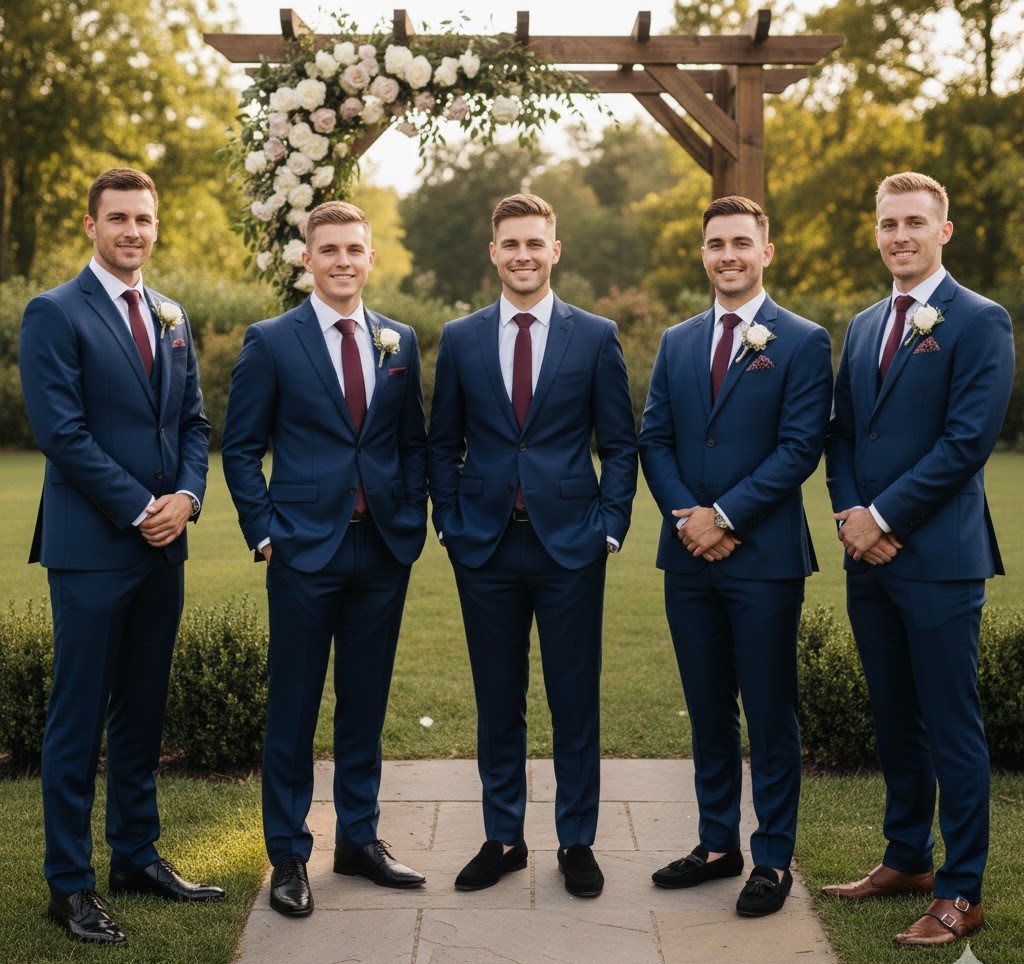
Weddings are defining social occasions. They are photographed, shared, archived, and remembered long after the music fades. Every detail contributes to the overall impression, and footwear is no exception. The right pair of shoes influences posture, presence, and overall polish. It anchors the suit and completes the silhouette. That is why search interest in men’s wedding shoes continues to grow each year.
This guide answers the most searched questions, clarifies style categories, and provides timeless advice that remains relevant regardless of shifting trends.
Understanding Men’s Wedding Shoe Styles Clearly
One of the most common searches is: “Which shoes are appropriate for a wedding?” The answer depends on the formality of the event and the tailoring of the outfit.
Oxfords: The Formal Standard
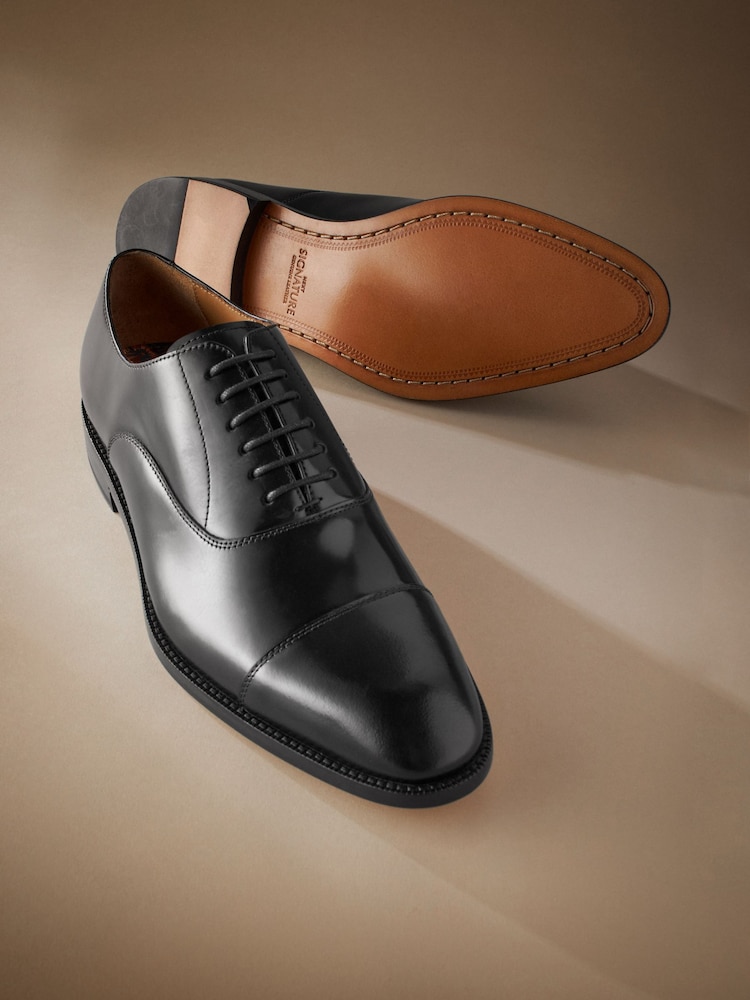
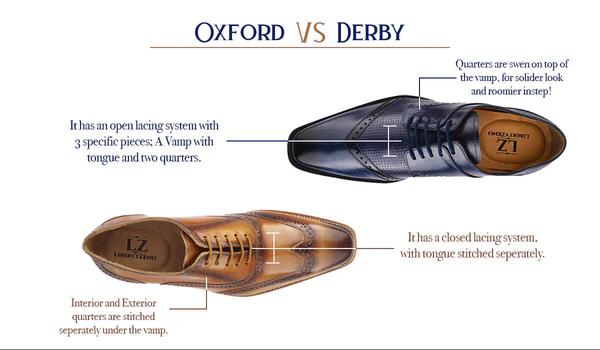
Oxford shoe are the most formal and reliable option for weddings. Their closed-lacing construction creates a sleek, structured silhouette that pairs seamlessly with tailored suits and tuxedos. If the dress code is black tie or formal, Oxfords are the safest and most polished choice.
Color Guide:
- Black Oxfords – Best for black tie, evening weddings, and black or charcoal suits. Patent leather is reserved for tuxedos, while polished calfskin works for formal suits.
- Dark Brown Oxfords – The most versatile option. Ideal with navy, blue, and grey suits for both daytime and evening ceremonies.
- Oxblood/Burgundy Oxfords – A refined statement choice. Pair beautifully with navy or charcoal suits, especially in fall and winter weddings.
- Tan Oxfords – Best for daytime, outdoor, or summer weddings. Complement light grey, blue, beige, or cream suits.
Matching Rules:
Darker suits pair best with darker shoes. Match your belt to your shoes in both tone and finish. The more formal the event, the sleeker and more polished the leather should be.
When in doubt, choose a dark brown or black cap-toe Oxford. It will never look out of place.

Derbies: Structured Versatility for Modern Weddings
Derby shoes are slightly less formal than Oxfords due to their open-lacing construction, which creates a more relaxed yet still polished silhouette. This subtle design difference makes Derbies incredibly versatile, ideal for formal, cocktail, and semi-formal weddings.
They offer a touch of more comfort and flexibility, making them a strong choice for long celebrations where ease matters just as much as elegance.
Color Guide:
- Black Derbies – Suitable for formal weddings and pair well with black, charcoal, or dark grey suits (though Oxfords remain more traditional for black tie).
- Dark Brown Derbies – A perfect match for navy, blue, and mid-grey suits. This is the most adaptable option for wedding guests.
- Medium or Light Brown Derbies – Best for daytime, rustic, or outdoor weddings. Pair with light grey, blue, or beige suits.
- Suede Derbies – Ideal for garden or countryside weddings, especially in warmer months.
For most wedding guests, a dark brown leather Derby is one of the smartest, most wearable investments.
When to Choose Derbies Over Oxfords:
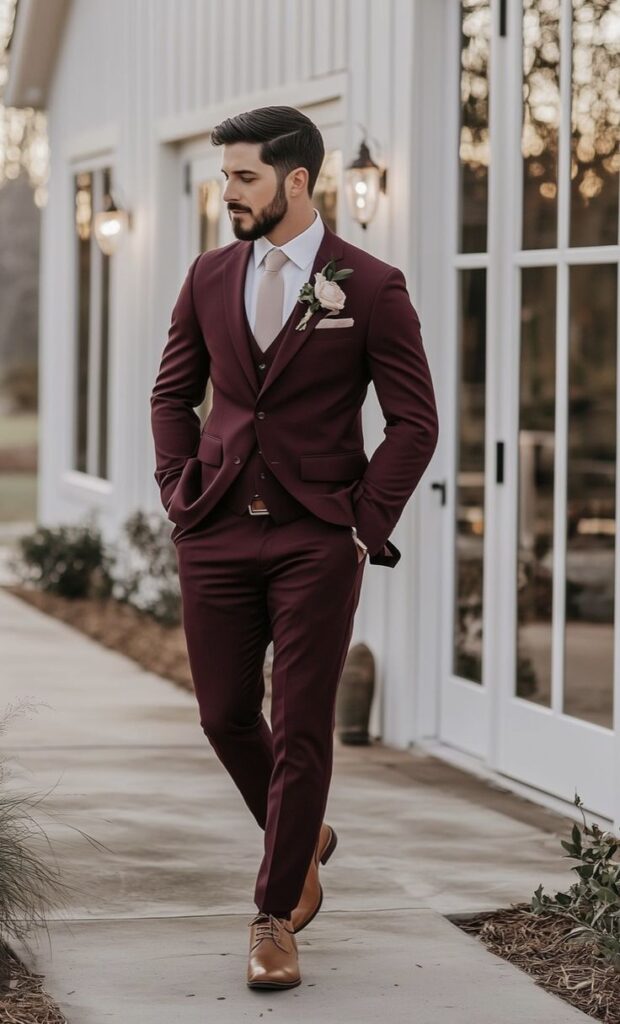
If the dress code isn’t strictly black tie and you want something slightly softer and more contemporary, Derbies strike the perfect balance between structure and approachability.
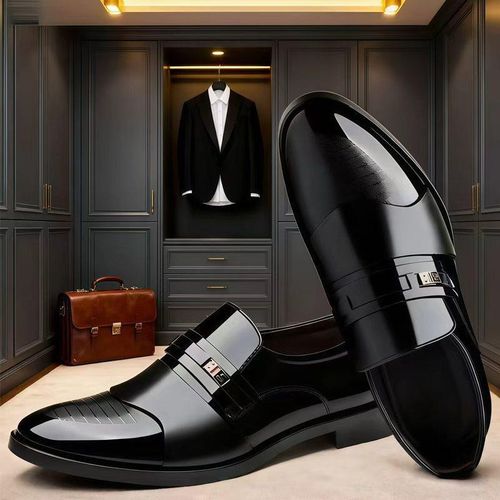
Loafers: Stylish and Comfortable for Weddings
Loafer are slip-on shoes that look polished yet feel relaxed. Slightly less formal than Oxfords or Derbies, loafers are perfect for cocktail, summer, beach, or creative weddings. The key is choosing good-quality materials and a clean, sharp design to keep the look dressy.
They work especially well in warm-weather weddings where lighter suits and fabrics are common.
Color & Material Guide:
- Black Leather Loafers – Great for formal or evening weddings with a sharp suit.
- Dark Brown Loafers – Very versatile; pairs well with navy, blue, or grey suits.
- Tan or Light Brown Loafers – Ideal for daytime, outdoor, or destination weddings. Works best with light grey, beige, or blue suits.
- Suede Loafers – Perfect for rustic, garden, or summer weddings.
- Velvet Loafers – A bold but elegant option for creative black-tie or evening events.
Styling Tips:
Keep the design simple and polished. Avoid casual details or thick soles. Pair loafers with tailored pants that fit well around the ankle for a modern, clean look.
Loafers are a smart choice when you want to be stylish, comfortable, and dressy at the same time.
4
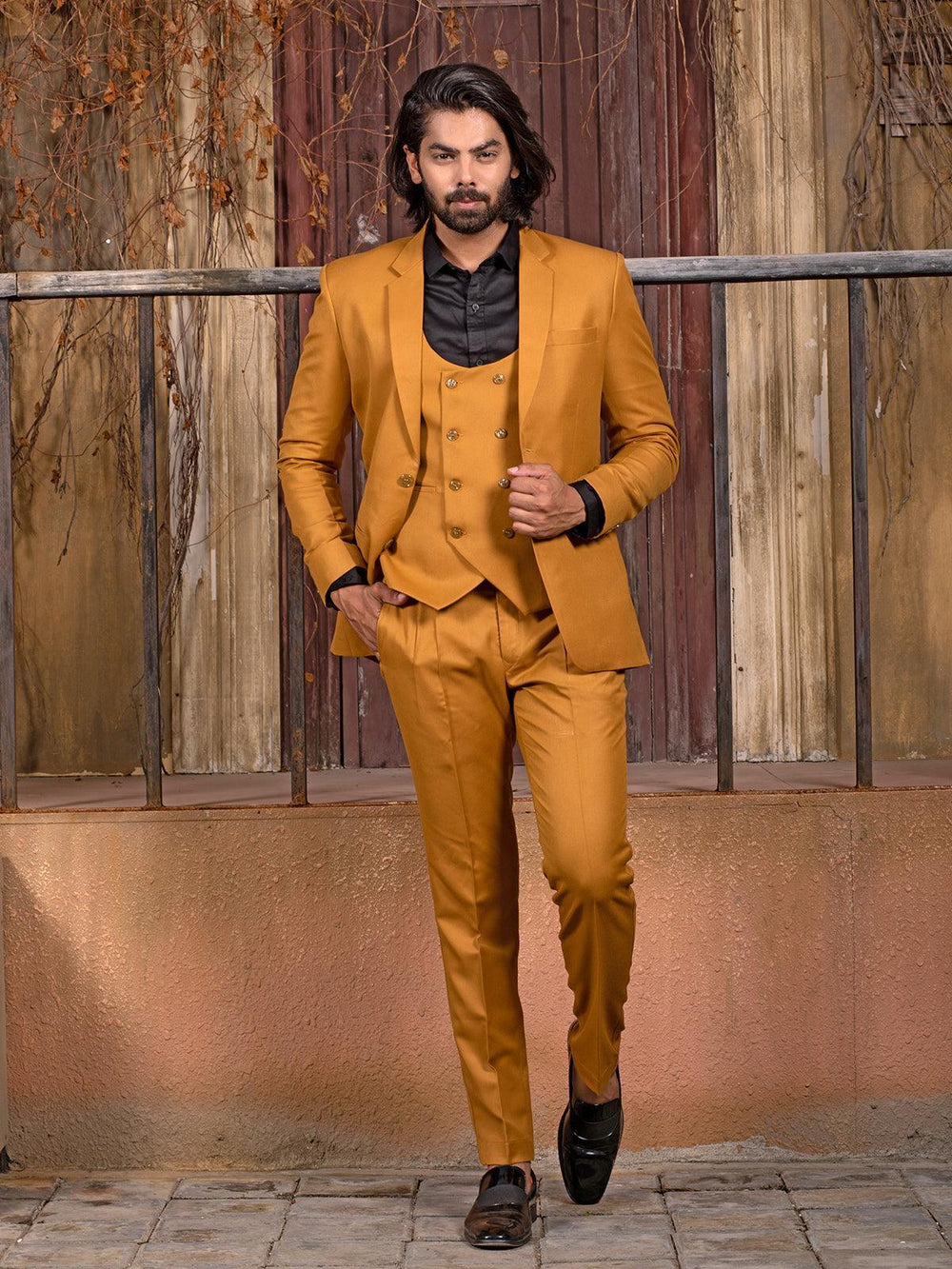
Dress Boots: Stylish Edge for Weddings
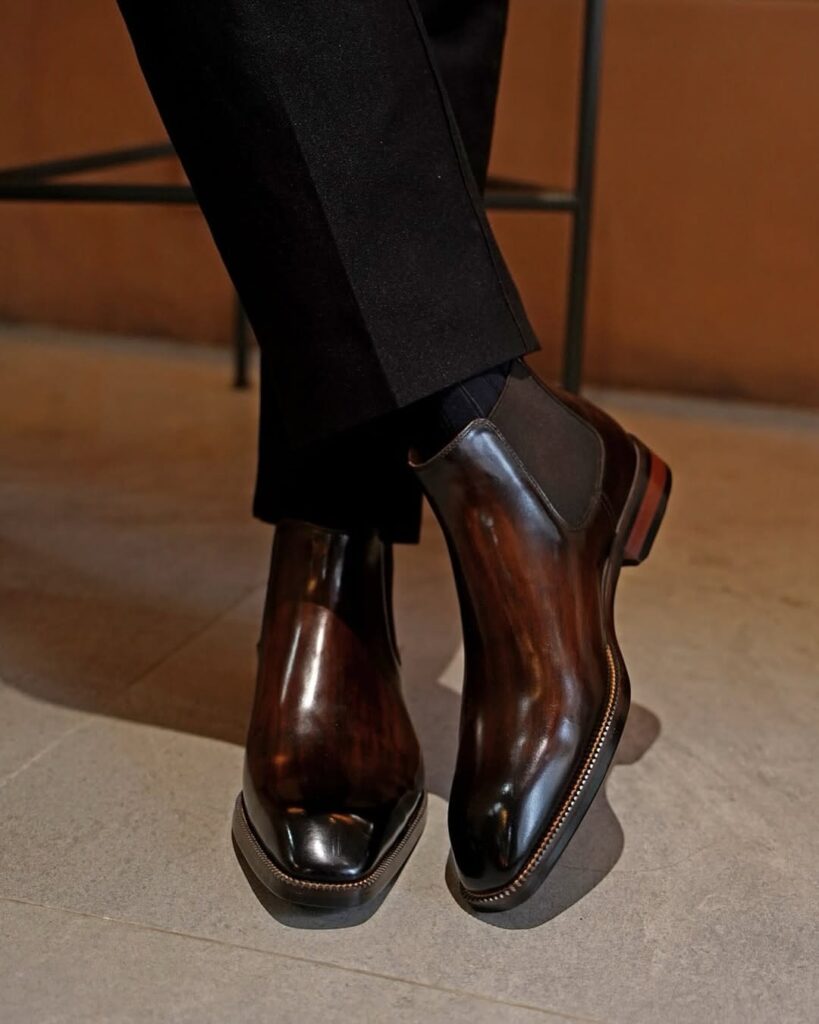
Chelsea boot and other dress boots are ankle-high shoes that add a sharp, modern touch to wedding outfits. They are less traditional than Oxfords or Derbies but work especially well for fall or winter weddings, outdoor ceremonies, or when you want a stylish alternative.
The key is to choose slim, polished leather boots with minimal detailing to keep the look formal and neat.
Color & Material Guide:
- Black Leather Boots – Perfect for formal or evening weddings with black, charcoal, or navy suits.
- Dark Brown Leather Boots – Very versatile; pairs well with navy, grey, or brown suits for most wedding settings.
- Suede or Textured Boots – Great for rustic, outdoor, or casual weddings, especially in cooler seasons.
Styling Tips:
- Keep boots sleek and clean; avoid chunky soles.
- Pair with tailored trousers that slightly cover the top of the boot for a sharp finish.
- Match the color of the boots with your belt for a balanced, polished look.
Dress boots are ideal when you want a modern, confident style that stands out while still looking wedding-appropriate.
Monk Straps: Elegant Alternative for Weddings
Monk shoe feature a buckle closure instead of laces, offering a stylish twist on classic dress shoes. They are ideal for formal, cocktail, or semi-formal weddings.
Color & Tips:
- Black – Best for tuxedos and evening weddings.
- Dark Brown – Versatile with navy, grey, or blue suits.
- Keep the design clean and polished; match your belt for a coordinated look.
Monk straps add personality while remaining classy and wedding-appropriate.
Sneakers: Modern Casual for Weddings
Dress sneaker are clean, simple leather sneakers that work for creative, casual, or outdoor weddings. Stick to white, black, or neutral colors and polished finishes.
Tips: Pair with tailored suits, keep them spotless, and avoid athletic or bulky styles. Perfect for comfort without losing style.
Black vs Brown Wedding Shoes: A Clear Decision Guide
Another frequently searched question is whether black or brown shoes are more appropriate. The answer depends on suit color and time of day.
Black shoes are the most formal option. They pair best with black, charcoal, or midnight blue suits and are essential for tuxedos.
Brown shoes introduce warmth and dimension. Dark brown complements navy and grey tailoring beautifully, while lighter browns suit daytime or outdoor weddings.
Patent leather remains reserved for evening or black tie ceremonies. Matte leather, suede, or brushed finishes offer versatility across most settings.
Balance is essential. Shoes should coordinate with belt color and overall styling to maintain visual consistency.
Can You Wear Non-Traditional Shoes to a Wedding?
Modern dress codes have evolved. Many men now search whether they can wear suede, monk straps, boots, or sneakers to weddings.
Monk shoe styles provide a sleek alternative to lace-ups. Suede works exceptionally well for rustic or outdoor ceremonies. Dress boots add structure during colder seasons. Minimal leather sneakers can suit creative celebrations.
However, heavily distressed finishes, athletic trainers, or rugged work boots rarely suit formal weddings unless explicitly encouraged by the couple. Respect for the occasion remains paramount
How to Stand Out with Wedding Shoes Without Overdoing It
Standing out at a wedding is not about flamboyance; it is about refinement.
Texture is one of the most effective tools. High-shine leather, subtle broguing, rich suede, or a smooth polished boot adds dimension without distraction. A deep oxblood or dark espresso tone can feel distinctive while remaining elegant.
Shoe condition matters as much as style. Polished leather, clean soles, and well-maintained edges signal attention to detail. Fit is equally critical. Properly fitted shoes improve posture and allow confident movement throughout the event.
One defining element ,whether color, finish, or silhouette is enough. Excess embellishment disrupts balance.
What Shoes to Wear for Different Wedding Settings
Search trends show increasing interest in adapting footwear to location.
Black Tie Weddings
Stick with black patent or highly polished Oxfords. Precision and minimalism are key.
Formal and Cocktail Weddings
Cap-toe Oxfords, sleek Derbies, or refined dress boots in black or dark brown maintain elegance.
Outdoor and Beach Weddings
Lightweight loafers or minimalist sneakers in breathable materials are appropriate. Avoid overly heavy soles that clash with relaxed environments.
Rustic or Garden Weddings
Suede Derbies, textured loafers, or slim Chelsea boots in warm brown tones feel cohesive.
The guiding rule remains consistency between shoe, suit, and setting.
When Should You Buy Men’s Wedding Shoes?
Timing is a frequently searched topic. Ideally, shoes should be purchased four to six weeks before the wedding. This allows time to break them in naturally and avoid discomfort on the day itself.
Sneakers and boots also benefit from wear-testing prior to the event to ensure comfort and proper fit with tailoring.
Waiting until the final week often leads to rushed decisions or improper sizing. Planning ahead ensures both comfort and coordination.
Budget Considerations and Long-Term Value
Many shoppers ask whether investing in quality shoes is worthwhile. The answer lies in construction and versatility.
Well-crafted leather Oxfords, Derbies, or boots can last for years when maintained properly. Minimal leather sneakers in classic tones also transition seamlessly into smart-casual settings after the wedding.
Classic silhouettes, plain-toe, cap-toe, streamlined boots, or clean low-top sneakers,remain relevant across multiple occasions.
Choosing neutral tones and timeless designs ensures adaptability beyond a single event.
Why Wedding Shoes Matter More Than You Think
Shoes influence stance. Stance influences presence. Presence is remembered.
At weddings, details communicate respect and awareness. Thoughtful footwear reflects preparation and refinement. It completes the visual narrative captured in photographs that will last decades.
The enduring formula is simple: prioritize fit, choose quality materials, maintain impeccable condition, and select one defining detail. Trends may shift, but these principles remain constant.
Frequently Asked Questions About Men’s Wedding Shoes
One common question is whether you can wear the same shoes to multiple weddings. Absolutely. Proper care and occasional polishing keep them looking sharp.
Another frequent concern involves matching shoes to accessories. Shoes and belts should coordinate in tone and finish for cohesion.
Some ask whether sneakers are too casual. In traditional or black tie settings, yes. In modern or creative weddings, clean minimalist sneakers can work beautifully.
Others wonder if boots are too bold. When slim, polished, and paired with tailored suits, they project confidence rather than excess.
Ultimately, selecting men’s wedding shoes is not about chasing trends. It is about clarity, balance, and confidence. When chosen thoughtfully, the right pair does more than complete an outfit,it strengthens presence and leaves a lasting impression.