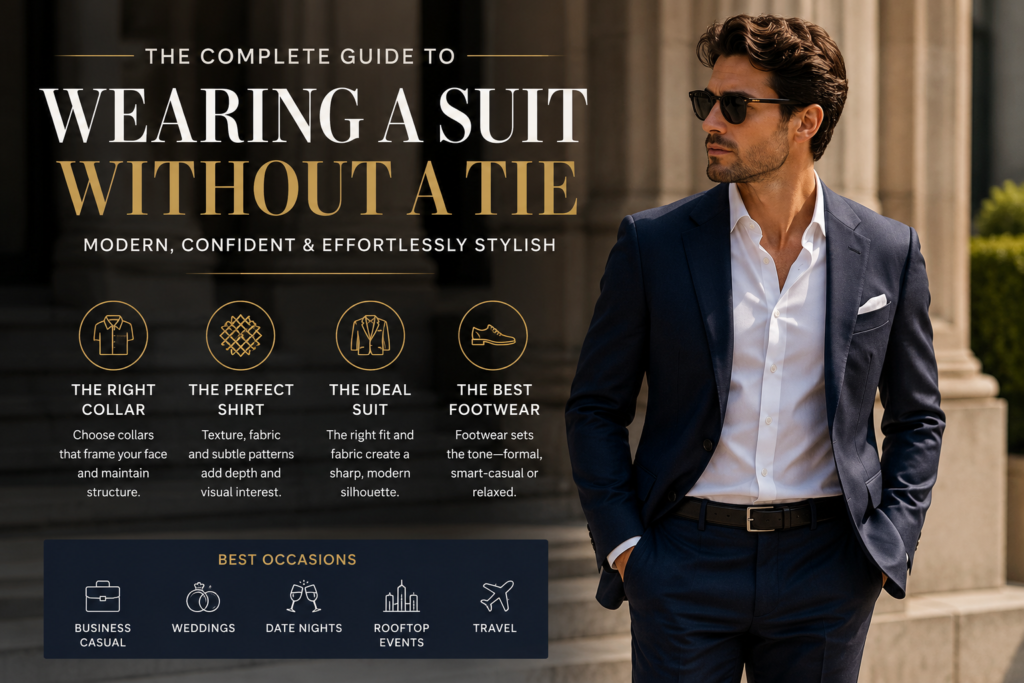
Ditching the tie doesn’t mean sacrificing style. In fact, when done correctly, a suit without a tie can look more modern, relaxed, and confident than a traditional suit-and-tie combination. The key is understanding that once the tie disappears, other elements of the outfit must work harder to maintain balance, structure, and visual interest.
Many men assume removing the tie automatically creates a stylish contemporary look. Unfortunately, that’s not always the case. A tieless suit can either appear intentional and refined or unfinished and careless. The difference lies in the details.
This guide covers everything you need to know about wearing a suit without a tie, from collar selection and shirt fabrics to suit colors, accessories, footwear, seasonal considerations, and common mistakes.
Why the Tie Mattered More Than You Think
Before learning how to wear a suit without a tie, it’s important to understand exactly what a tie contributes to an outfit.
A tie performs three important functions simultaneously:
- Creates a strong vertical line through the center of the body.
- Fills the visual space created by the collar.
- Adds color, texture, or pattern to the outfit.
When you remove the tie, all three functions disappear. This creates a visual gap that can make the outfit look incomplete if nothing else compensates for it.
This explains why some men look effortlessly stylish without a tie while others appear as though they simply forgot to put one on. The successful outfit replaces the tie’s visual contribution through other elements such as collar shape, shirt texture, accessories, color contrast, or jacket details.
Every styling decision should answer one question:
What is replacing the visual role that the tie used to play?
Start With the Collar
When wearing a suit without a tie, the collar becomes the focal point of the outfit. A tie normally fills the space at the neckline and provides structure, so once it’s removed, the collar must do that job on its own. Choosing the right collar helps the outfit look intentional rather than unfinished.
Best Collar Styles for Going Tieless
Spread Collar
The spread collar is often the safest option for a tieless suit. Its wider opening frames the face naturally and maintains its shape without relying on a tie knot. It works well for business settings, weddings, and formal social occasions.
Semi-Spread Collar
A semi-spread collar offers a balanced look that sits between formal and relaxed. It’s versatile enough for both professional and social settings, making it one of the easiest collars to wear with an open neck.
Button-Down Collar
Button-down collars are ideal for business-casual and smart-casual tailoring. The buttons keep the collar points neatly in place throughout the day, creating a clean and relaxed appearance that pairs especially well with cotton and linen suits.
Cutaway Collar
For a more modern and fashion-forward look, a cutaway collar is an excellent choice. Its wider spread creates a confident open neckline that works particularly well with contemporary tailoring and slimmer suit silhouettes.
Collars to Avoid
Narrow Point Collars
Narrow point collars are traditionally designed to be worn with a tie. Without one, they can appear too long, unsupported, and slightly unfinished.
Very Soft Collars
Collars with little structure may droop or curl throughout the day when worn open. A collar with some stiffness will maintain a cleaner and more polished appearance.
A Simple Rule
For most occasions, leave the top button undone. Two buttons can work for more relaxed settings, but opening more than two often looks overly casual and takes away from the sharpness of the suit.
The Correct Number of Buttons
One or two buttons open is generally ideal.
One button open appears polished and business-appropriate.
Two buttons open feels relaxed while remaining sophisticated.
More than two buttons quickly shifts from stylish to careless and can undermine the elegance of the suit.
Collar Construction Matters
One of the most overlooked details is collar structure.
A collar with medium-weight interlining maintains shape throughout the day and prevents the points from collapsing inward.
Soft, unstructured collars may look appealing in product photos but often lose shape after several hours of wear.
A taller collar band can also improve the appearance of a tieless outfit by giving the neckline additional presence.
Choose the Right Shirt
When wearing a suit without a tie, the shirt takes on a much bigger role in the outfit. Since there’s no tie to add color, texture, or visual interest, the shirt needs to provide some of that character on its own. The right fabric, color, and pattern can make a tieless suit look intentional and stylish rather than plain or unfinished.
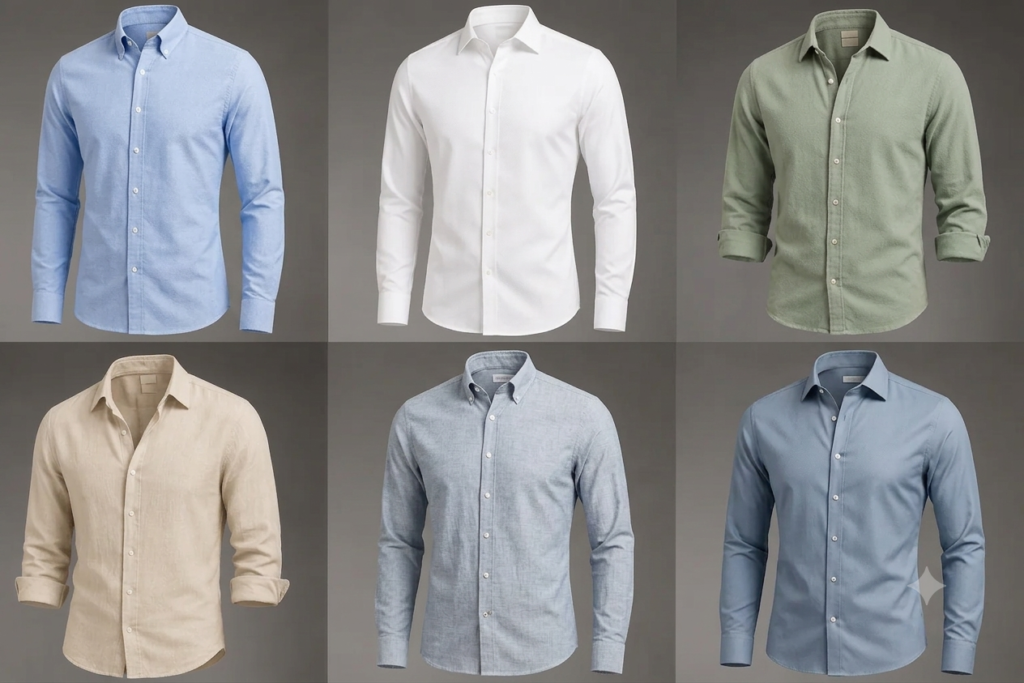
Best Fabrics for Tieless Suits
Oxford Cloth
Oxford shirts are one of the best choices for a tieless suit. Their slightly textured weave adds depth and visual interest, helping to fill the space a tie would normally occupy. They strike the perfect balance between polished and relaxed.
Chambray
Chambray offers a softer, more casual appearance while still looking refined under tailoring. Its subtle texture and color variation pair particularly well with navy, grey, and tan suits.
Twill
Recognizable by its diagonal weave, twill adds understated texture without being distracting. It drapes well, resists wrinkles, and works especially well with darker suits such as navy and charcoal.
Linen Blends
For spring and summer, linen-blend shirts provide breathability and a relaxed elegance. Their natural texture complements open-collar styling and pairs beautifully with lightweight suits.
Brushed Cotton
A great option for autumn and winter, brushed cotton introduces softness and warmth while adding subtle texture that enhances a tieless look.
Best Shirt Colors
White
A classic choice that works with virtually every suit color. Because white is clean and simple, it often benefits from additional details such as a pocket square, textured suit fabric, or stylish footwear.
Light Blue
Perhaps the most versatile shirt color for a tieless suit. It pairs effortlessly with navy, grey, beige, and brown tailoring while adding a touch of color without overwhelming the outfit.
Ecru and Cream
These warmer alternatives to white create a richer, more relaxed appearance. They work especially well with navy, brown, olive, and beige suits.
Soft Pink
A subtle way to introduce color while maintaining sophistication. Soft pink shirts pair particularly well with navy suits and add warmth to spring and summer outfits.
Sage Green
An understated color that offers contrast without being bold. Sage works beautifully with grey, navy, and tan tailoring.
Dusty Blue
Deeper than traditional light blue, dusty blue adds depth and character while remaining versatile enough for both business and social settings.
Burgundy
An excellent choice for evening occasions and autumn styling. Burgundy brings richness and visual weight to darker suits and textured fabrics.
Pattern Considerations
Patterns can help replace the visual interest that a tie would normally provide. The goal is to add subtle detail without distracting from the suit itself.
Good options include:
- Micro-checks for understated texture and depth.
- Fine stripes for a touch of visual movement.
- Small geometric patterns for modern sophistication.
- Tonal patterns that add interest without strong contrast.
- Textured weaves that create depth through fabric construction rather than bold prints.
Avoid large checks, bold stripes, or loud prints, as they can compete with the tailoring and make the outfit feel less refined.
A Simple Rule
The more minimal your suit, the more important your shirt becomes. A well-chosen shirt with the right texture, color, or subtle pattern can easily replace the visual interest of a tie while keeping the outfit sharp, balanced, and sophisticated.
Fit Becomes Even More Important
Without a tie creating a strong vertical focal point, flaws in fit become easier to notice.A slightly oversized suit that looked acceptable with a tie may suddenly appear sloppy when worn open-collared.
Pay special attention to:
- Shoulder fit
- Jacket waist suppression
- Sleeve length
- Trouser break
- Collar fit
The cleaner the fit, the sharper the tieless look.
Let the Jacket Do More Work
When wearing a tie, attention is divided between the jacket and the tie.
Without one, the jacket becomes the centerpiece.
Prioritize Proper Tailoring
A well-fitted jacket instantly elevates a tieless outfit.
Pay particular attention to:
- Clean shoulder lines
- Proper sleeve length
- Balanced lapels
- Correct jacket length
Texture Adds Character
Textured fabrics often outperform smooth worsted wool when worn without a tie.
Examples include:
- Flannel
- Hopsack
- Tweed
- Birdseye wool
- Herringbone
Texture naturally fills the visual space that a tie would otherwise occupy.
Lapels Matter More Than You Think
A lapel with a natural roll creates dimension and movement across the chest.
This additional visual interest helps compensate for the missing tie.
Button the Jacket
When standing, a buttoned jacket generally looks more intentional than leaving it completely open.
The structure helps maintain a polished silhouette.
Layering Options That Work
Certain layers can effectively replace the tie while maintaining elegance.
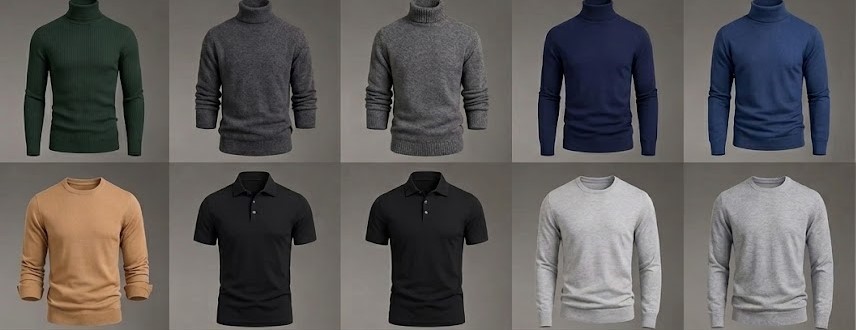
Fine-Gauge Turtleneck
One of the most stylish alternatives for autumn and winter.
Works particularly well with:
- Navy suits
- Charcoal suits
- Brown suits
Fine-Knit Crewneck
Provides a contemporary European-inspired appearance.
Choose lightweight knits that sit comfortably under the jacket.
Polo Shirts
A knitted polo can transform a suit into a refined smart-casual outfit.
Lightweight Scarves
Ideal for cooler weather and outdoor formal occasions.
The scarf naturally restores the vertical visual line lost when removing the tie.
Accessories Become More Important
When a tie is absent, accessories gain greater visual impact.
Pocket Squares
The easiest way to enhance a tieless suit.
Even a simple white linen pocket square adds sophistication and intention.
Watches
A dress watch with a leather strap contributes refinement without drawing excessive attention.
Lapel Pins
Provide a subtle focal point and work particularly well for weddings and formal gatherings.
Collar Pins
An underrated detail that helps maintain collar shape while introducing visual interest.
Boutonnières
Ideal for celebratory occasions such as weddings, galas, and special events.
Seasonal Styling Advice for Tieless Suits
One of the biggest advantages of wearing a suit without a tie is its versatility throughout the year. By adjusting fabrics, colors, textures, layering pieces, and footwear according to the season, you can create a look that feels natural, comfortable, and appropriate for the weather.
The key is understanding that a tieless suit should reflect the mood of the season. Lighter seasons call for lighter fabrics and softer colors, while colder seasons benefit from texture, depth, and layering.
Spring: Fresh, Light, and Effortlessly Polished
Spring is the perfect season for tieless tailoring. As temperatures begin to rise and heavier winter clothing disappears, suits naturally become less formal and more relaxed.
This is the season to embrace lighter fabrics, softer color palettes, and open-collar styling.
Best Fabrics for Spring
Look for fabrics that offer breathability while still maintaining structure:
- Lightweight wool
- Tropical wool
- Cotton blends
- Wool-silk blends
- Lightweight hopsack wool
These fabrics allow airflow while keeping the suit looking sharp throughout the day.
Best Suit Colors for Spring
Spring tailoring should feel fresh rather than heavy.
Excellent choices include:
- Light grey
- Mid-grey
- Soft blue
- Navy
- Beige
- Stone
- Light brown
- Taupe
These colors reflect the brighter environment of the season and pair beautifully with open-collar shirts.
Best Shirts for Spring
Replace stiff formal shirts with softer alternatives:
- Light blue Oxford shirts
- White textured shirts
- Fine striped shirts
- Chambray shirts
- Soft pink dress shirts
Leave the top button open and allow the collar to frame the face naturally.
Best Shoes for Spring
Spring is one of the most versatile footwear seasons.
Ideal choices include:
- Brown Derby shoes
- Penny loafers
- Suede loafers
- Monk straps
- Minimal white leather sneakers
Example Spring Outfit
A light-grey suit paired with a light-blue Oxford shirt, brown suede loafers, and a white linen pocket square creates a relaxed yet sophisticated spring look suitable for weddings, business lunches, and networking events.
Summer: Relaxed Elegance Without Sacrificing Style
Summer is where the tieless suit truly shines.
High temperatures make ties feel restrictive and uncomfortable, making open-collar tailoring the preferred option for many well-dressed men.
The focus should be on breathability, comfort, and lightweight materials.
Best Fabrics for Summer
Fabric choice becomes critical during warmer months.
The best options include:
- Linen
- Linen-cotton blends
- Cotton
- Tropical wool
- Lightweight wool blends
These fabrics allow heat to escape while maintaining structure.
Linen deserves special mention because its relaxed texture naturally complements a tie-free look. The slight wrinkles associated with linen actually enhance its charm rather than detract from it.
Best Suit Colors for Summer
Summer calls for brighter, lighter colors.
Consider:
- Beige
- Cream
- Light grey
- Sky blue
- Stone
- Sand
- Khaki
- Light olive
These shades reflect sunlight and create a fresh seasonal appearance.
Best Shirts for Summer
Choose breathable fabrics and lighter colors.
Excellent options include:
- White linen shirts
- Cotton Oxford shirts
- Pale blue shirts
- Ecru shirts
- Lightweight striped shirts
Avoid thick dress shirts that trap heat.
Best Summer Footwear
Loafers dominate summer tailoring.
Top choices include:
- Penny loafers
- Suede loafers
- Horsebit loafers
- Tassel loafers
- White leather sneakers
For beach weddings and vacation styling, loafers often look more natural than formal lace-up shoes.
Accessories for Summer
Keep accessories light and minimal.
Consider:
- Linen pocket squares
- Lightweight watches
- Sunglasses
- Braided leather belts
Avoid heavy scarves, bulky watches, and thick accessories.
Example Summer Outfit
A beige linen suit paired with a white linen shirt, brown suede loafers, and a white linen pocket square creates an effortlessly elegant warm-weather outfit suitable for destination weddings, rooftop events, and summer parties.
Autumn: Rich Colors and Luxurious Texture
Autumn is arguably the most stylish season for menswear.
As temperatures cool, you can begin introducing texture, layering, and deeper colors into your wardrobe.
This is where a tieless suit can look particularly sophisticated.
Best Fabrics for Autumn
Focus on fabrics with texture and visual depth:
- Flannel
- Herringbone wool
- Tweed
- Wool blends
- Brushed cotton
These materials provide warmth while adding character to the outfit.
Best Suit Colors for Autumn
Richer tones complement the season perfectly.
Look for:
- Dark brown
- Chocolate
- Olive
- Forest green
- Burgundy
- Rust
- Tobacco
- Navy
These colors create warmth and depth while remaining elegant.
Layering Opportunities
Autumn allows for more creative styling.
Consider adding:
- Fine-gauge crewneck sweaters
- Merino wool knits
- Lightweight cardigans
- Quarter-zip knitwear
- Textured overshirts
These pieces help fill the visual space that a tie would normally occupy.
Best Autumn Footwear
Footwear should feel more substantial than summer options.
Great choices include:
- Brown Derby shoes
- Double monk straps
- Dark brown loafers
- Brogues
- Leather boots paired carefully with tailoring
Suede footwear works particularly well during autumn because it complements the season’s textured fabrics.
Example Autumn Outfit
A brown flannel suit paired with a cream merino crewneck sweater, dark brown monk straps, and a patterned pocket square creates a rich and sophisticated autumn ensemble.
Winter: Refined Layering and Timeless Sophistication
Winter provides the greatest opportunity for layering and texture.
A tieless suit can feel exceptionally elegant during colder months when paired with the right knitwear and outerwear.
The objective is to remain warm while preserving the clean lines of tailoring.
Best Fabrics for Winter
Heavier fabrics become essential.
Recommended choices include:
- Flannel wool
- Heavy wool
- Tweed
- Cashmere blends
- Wool-cashmere blends
These materials offer insulation while maintaining structure.
Best Suit Colors for Winter
Darker colors naturally complement winter.
Excellent options include:
- Charcoal
- Navy
- Dark brown
- Forest green
- Deep burgundy
- Midnight blue
These shades create a luxurious cold-weather appearance.
Turtlenecks: The Ultimate Winter Alternative
The fine-knit turtleneck is perhaps the strongest winter substitute for a tie.
A well-fitted turtleneck:
- Fills the neckline
- Adds warmth
- Creates visual structure
- Maintains sophistication
Black, charcoal, cream, and navy turtlenecks pair exceptionally well with winter tailoring.
Outerwear Pairings
Winter tailoring benefits from quality outerwear.
Consider:
- Wool overcoats
- Cashmere coats
- Double-breasted coats
- Structured topcoats
- Long trench coats
The coat should complement the suit rather than overwhelm it.
Best Winter Footwear
Winter calls for sturdier footwear.
Ideal choices include:
- Black Oxfords
- Dark brown Derbies
- Double monk straps
- Leather Chelsea boots
- Dress boots
These shoes maintain elegance while handling colder conditions.
Example Winter Outfit
A charcoal flannel suit paired with a black merino turtleneck, black Oxford shoes, and a navy wool overcoat creates a timeless winter look that feels both powerful and elegant.
The Seasonal Rule for Tieless Suits
As temperatures rise, move toward lighter fabrics, lighter colors, softer construction, and more relaxed footwear.
As temperatures fall, introduce richer colors, heavier fabrics, greater texture, and thoughtful layering.
When your suit reflects the mood of the season, a tieless look never appears incomplete it looks intentional, modern, and perfectly suited to the environment.
Best Shoes for a Tieless Suit
When you remove the tie, the overall formality of the suit automatically decreases. Your footwear then plays a larger role in determining how polished the outfit appears.
The right pair of shoes can make a tieless suit look intentionally modern and stylish. The wrong pair can make it look unfinished or confused. Understanding how different shoe styles interact with tailoring will help you create a balanced outfit for every occasion.
Oxford Shoes: The Safest and Most Formal Choice
Oxford shoes remain the gold standard of formal footwear. Their closed-lacing construction creates a clean, streamlined appearance that naturally complements the sharp lines of a suit.Even without a tie, Oxfords maintain an elevated level of sophistication, making them ideal for situations where you want to appear polished while embracing a more relaxed neckline.Black Oxfords are particularly effective with charcoal, navy, and black suits. They are perfect for formal weddings, evening events, business meetings, gala dinners, and occasions where a tie is optional but elegance is still expected.Brown Oxfords provide slightly more versatility and pair exceptionally well with navy, medium-grey, and beige suits. During spring and summer, medium-brown leather Oxfords can soften the overall appearance of a suit without sacrificing refinement.
If you’re unsure which shoe to choose, Oxfords are almost always the safest option.
Best with: Navy suits, charcoal suits, wedding suits, business attire, evening events, formal summer occasions.
Derby Shoes: Relaxed Elegance
Derby shoes are often confused with Oxfords, but their open-lacing system creates a slightly less formal appearance.This subtle difference makes Derby shoes one of the best companions for a suit worn without a tie.Because the collar is already relaxed, Derby shoes help reinforce that relaxed sophistication without making the outfit look casual. They strike an ideal balance between formal and approachable.Brown leather Derbies work particularly well with textured suits such as hopsack, flannel, tweed, or lightweight wool blends. They are also excellent for business-casual workplaces where a tie may feel overly formal.Dark brown Derby shoes paired with a navy suit and open-collar light-blue shirt create one of the most versatile menswear combinations available.
Best with: Business-casual suits, textured tailoring, navy suits, grey suits, daytime weddings, networking events.
Loafers: The Ultimate Warm-Weather Option
Few shoes pair better with a tieless suit than loafers.Loafers naturally embody relaxed sophistication. Since they lack laces entirely, they instantly make tailoring feel less rigid while still maintaining elegance.This makes them especially effective during spring and summer when lighter fabrics and open collars dominate.Penny loafers are the most versatile option and work with nearly every suit color.Horsebit loafers introduce a touch of luxury and pair exceptionally well with modern tailoring.Tassel loafers provide additional character and are often favored by men who enjoy classic menswear styling.Suede loafers deserve special attention during warmer months. Their texture adds depth and visual interest while complementing linen, cotton, and lightweight wool suits.
For summer weddings, beachside events, vacations, rooftop gatherings, and date nights, loafers often outperform more formal dress shoes because they match the relaxed energy of a tieless outfit.
Best with: Summer suits, linen suits, light-grey suits, beige suits, destination weddings, vacations, smart-casual tailoring.
Minimal Leather Sneakers: Modern Tailoring’s Casual Partner
Minimal leather sneakers have become increasingly accepted alongside tailoring, but they must be chosen carefully.Not every sneaker belongs with a suit.Chunky athletic sneakers, running shoes, heavily branded footwear, and brightly colored trainers can clash with the elegance of tailoring and create visual confusion.Instead, focus on clean, minimal designs. The ideal sneaker should feature:
- Smooth leather construction
- Minimal branding
- Slim profile
- Clean sole
- Neutral colors such as white, black, grey, or beige
White leather low-top sneakers are the most versatile choice and pair particularly well with navy, light-grey, beige, and summer-weight suits.
The key is ensuring the sneakers look intentional rather than convenient.
A crisp, tailored suit with premium minimalist sneakers can create an effortlessly modern aesthetic suitable for creative industries, social gatherings, smart-casual offices, and travel.
However, sneakers should generally be avoided at black-tie events, conservative workplaces, traditional weddings, and highly formal business environments.
Best with: Summer tailoring, travel outfits, creative workplaces, smart-casual events, contemporary fashion styling.
Matching Shoe Colors to Suit Colors
Understanding color coordination elevates the entire outfit.
Navy Suit
- Black Oxfords for maximum formality
- Brown Oxfords or Derbies for versatility
- Suede loafers for summer
- White sneakers for smart-casual styling
Charcoal Suit
- Black Oxfords
- Black Derbies
- Dark brown monk straps
Light Grey Suit
- Brown loafers
- Tan Derbies
- White minimalist sneakers
Beige or Tan Suit
- Brown loafers
- Suede loafers
- Light brown monk straps
- White leather sneakers
Blue Summer Suit
- Brown loafers
- Tan loafers
- White sneakers
- Brown Derby shoes
The Golden Rule
The more relaxed your collar becomes, the more important your footwear becomes.
A tieless suit succeeds when the shoes support the level of formality you are trying to achieve. Oxfords create elegance, Derbies create balance, loafers create relaxed sophistication, monk straps create personality, and minimalist sneakers create a modern edge.
Choose the shoe that matches both the occasion and the energy of the outfit, and your tieless suit will always look intentional rather than incomplete.
When a Tieless Suit Works Best
Ideal occasions include:
- Business casual workplaces
- Cocktail events
- Summer weddings
- Date nights
- Creative industries
- Networking events
- Smart-casual celebrations
- Daytime formal gatherings
When You Should Keep the Tie
Certain situations still call for traditional neckwear.
These include:
- Black tie events
- Conservative corporate environments
- Formal boardroom meetings
- Traditional weddings with strict dress codes
- State ceremonies
- Highly formal business presentations
Common Mistakes to Avoid
The most common errors include:
- Opening too many shirt buttons.
- Wearing a collar that collapses.
- Ignoring shirt texture.
- Choosing an oversized suit.
- Pairing the outfit with worn footwear.
- Mixing too many casual elements together.
- Neglecting accessories entirely.
- Wearing a wrinkled shirt.
- Choosing a poorly fitted jacket.
- Wearing the look in an environment that still expects a tie.
Final Thoughts
A suit without a tie succeeds when every other part of the outfit becomes slightly more intentional. The collar must hold its shape, the shirt should provide texture or color, the jacket must fit properly, and small details like a pocket square or quality footwear should reinforce the overall look.
The goal is not to look less formal. The goal is to look deliberately relaxed while maintaining the sharpness and confidence that make tailoring attractive in the first place.
When done correctly, a tieless suit doesn’t look like something is missing. It looks like nothing extra was needed.