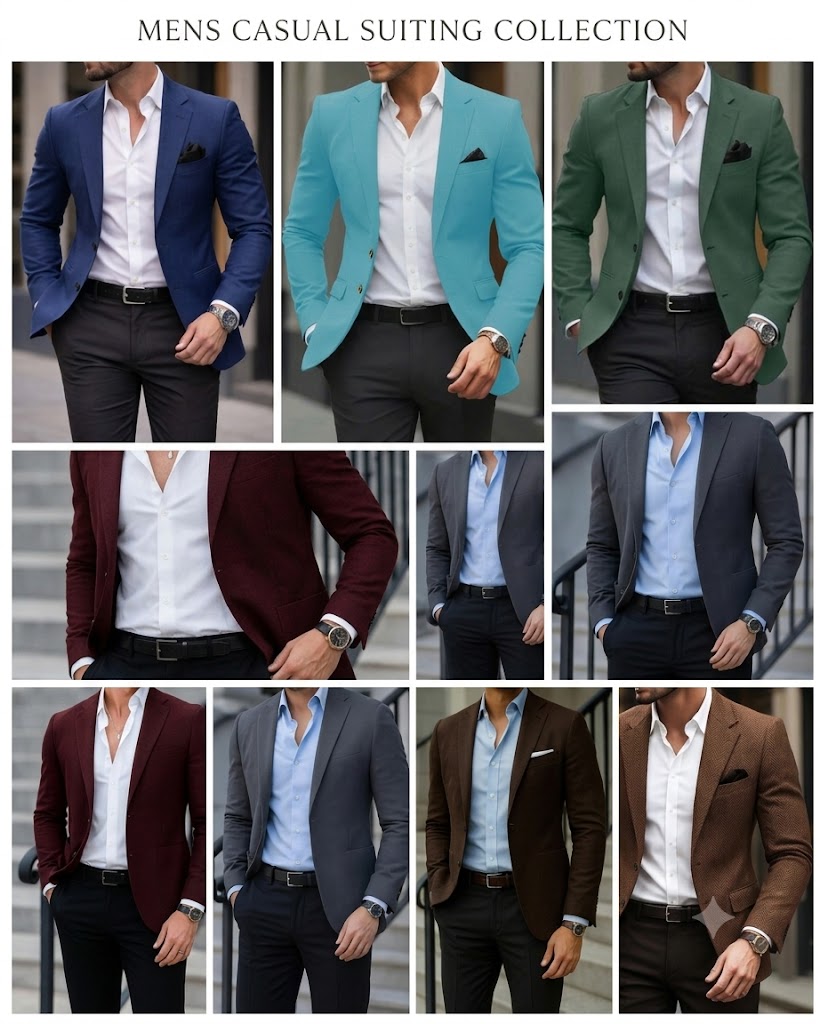
A blazer is one of the few garments that can move seamlessly from a boardroom to a dinner reservation without missing a beat. But not every blazer earns its place in your closet. The single biggest factor in how often you actually wear yours is not the fit or the fabric. It is the color.
Choose the right shade and your blazer becomes the hardest working piece you own, paired with jeans one day and tailored trousers the next. Choose the wrong one and it sits in the back of your closet, reserved for the one event that matches its very specific tone. At Laamaison, we believe the smartest wardrobe decisions start with color, so we put together this in depth guide to help you choose blazers you will actually reach for again and again, season after season.
Why Blazer Color Matters More Than You Think
Most people shop for blazers the way they shop for anything else. They see a color they like in the moment, try it on, and take it home. The problem is that a blazer is not an impulse piece. It is an investment garment meant to be worn for years, across dozens of different outfits, seasons, and settings.
When you choose a color first for its versatility, everything else in your wardrobe becomes easier to coordinate. Your shirts, trousers, and shoes all have something to pair with. When you choose a color for its novelty, you end up building outfits around the blazer instead of letting the blazer support the outfit. That is the difference between a wardrobe staple and a wardrobe orphan.
There is also a financial argument here. If a blazer costs a certain amount and you wear it fifty times a year because the color is versatile, the true cost per wear is very low. If you wear a trendy or overly specific color three times a year, the cost per wear stays high no matter how much you originally paid. Thinking in terms of cost per wear is one of the simplest ways to shop smarter, and color is the single biggest driver of that number.
How Blazer Color Affects Perception
Color also does quiet psychological work before anyone reads a word you say. Research in color psychology and workplace dress consistently points to a few patterns worth knowing.
Darker, cooler colors such as navy and charcoal tend to be read as authoritative, composed, and detail oriented. This is part of why they dominate corporate and legal environments. Warmer, earthier tones such as camel, olive, and rust tend to be read as approachable and creative, which is why they show up more often in design, media, and hospitality settings. Black carries a certain formality and finality, which is exactly why it dominates evening wear and formal events, but it can also read as slightly severe in a casual daytime setting if not styled carefully.
None of this means you are locked into one lane. It simply means that color is a tool. If you know the impression you want to make, you can use color intentionally rather than accidentally.
The Four Foundational Blazer Colors
If you are starting from scratch or rebuilding your collection, these four colors offer the best return on investment. Each one pairs with nearly everything you already own, and together they cover roughly ninety percent of the situations you are likely to dress for.
Navy
Navy is the most versatile blazer color available, and it is not particularly close. It reads as polished without being severe, which makes it appropriate for client meetings, weddings, dinners, and even casual weekends when paired with denim. Navy also flatters nearly every skin tone, which is rare for a single color to do.
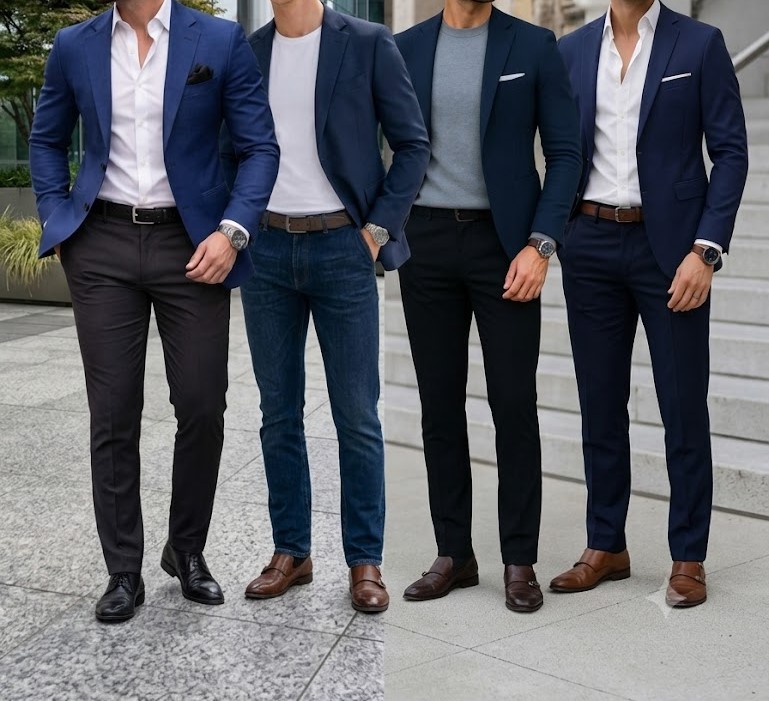
From a fabric standpoint, navy performs well in wool, wool blends, and even lighter cotton or linen weaves for warmer months. A midweight navy wool blazer is arguably the single most useful piece of outerwear a person can own, since it transitions from air conditioned offices to cool evenings without a second layer.
Pair it with a crisp white shirt and grey trousers for the office, or with a plain t shirt and dark denim for a relaxed evening look. Navy also plays exceptionally well with brown leather accessories, including belts, bags, and shoes, which most other dark colors do not do as easily.
Charcoal Grey
Charcoal sits just below navy in versatility, offering a slightly more formal and understated look. It is an excellent choice for anyone working in a conservative office environment or anyone who wants a blazer that leans professional first. Charcoal pairs beautifully with crisp white shirts and cool toned accessories such as silver jewelry, black leather, and icy blue shirting.
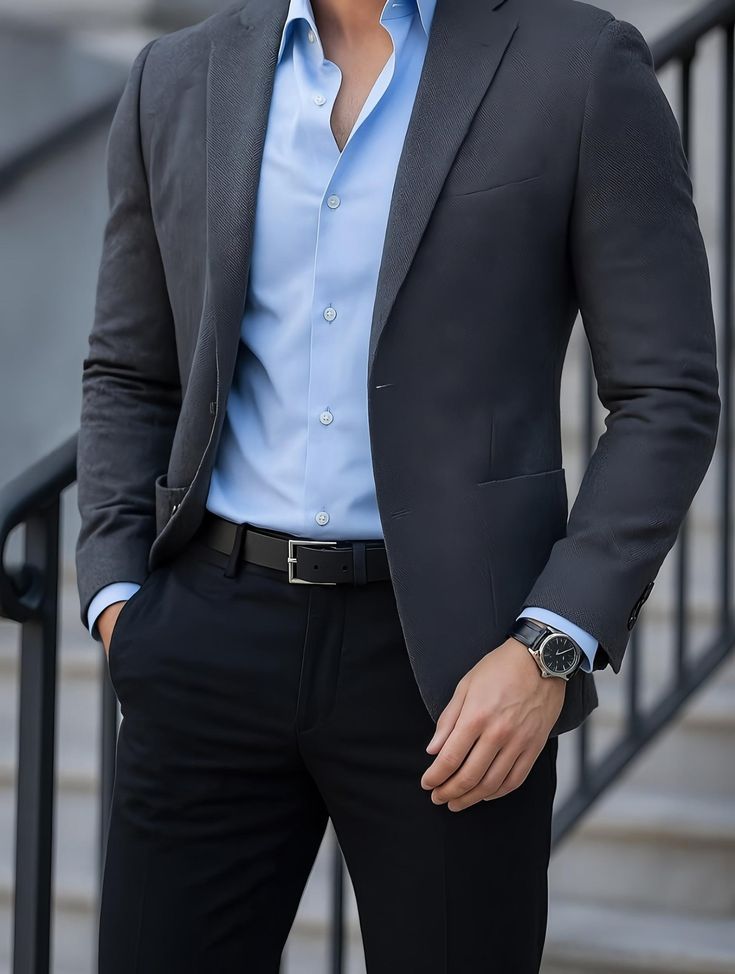
Charcoal also tends to hide travel wrinkles and light staining better than lighter neutrals, which makes it a smart choice for anyone who wears their blazer while commuting or traveling frequently.
Beige and Camel
Beige and camel tones have become wardrobe essentials, especially for anyone building a warmer, more relaxed capsule wardrobe. These shades work well in spring and fall, pair effortlessly with denim, and photograph beautifully, which matters if your outfits end up on social media or a company website.
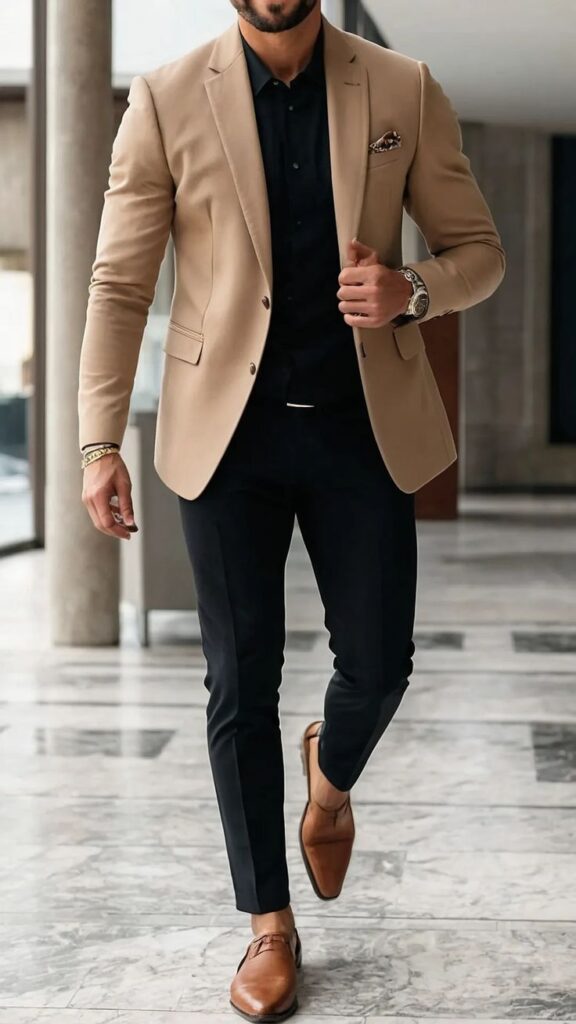
Because beige and camel sit closer to the warm end of the color spectrum, they tend to suit warmer undertones especially well, though a neutral undertone can wear them just as comfortably. Pair a camel blazer with cream, white, or soft blue underneath, and avoid stark black accessories, which can look jarring against the warmth of the fabric.
Black
Black is the most formal of the four and the least flexible day to day, but it earns its place for one simple reason: nothing photographs, dresses up, or dresses down as reliably for evening events. A black blazer is the one to reach for when the occasion calls for a bit more polish, whether that is a formal dinner, a gallery opening, or an evening wedding.
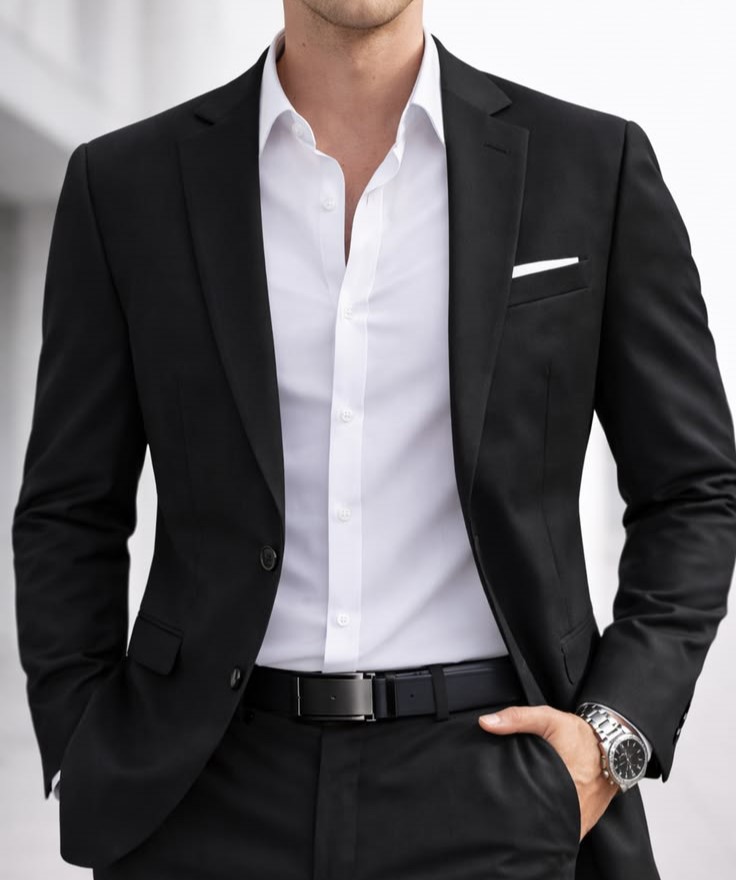
The one caution with black in daytime settings is that it can read as slightly heavy or overly formal against bright daylight, especially in casual contexts. If you want to soften it for daytime wear, pair it with lighter fabrics underneath, such as a linen shirt, and lighter footwear.
Complete Outfit Formulas by Blazer Color
Knowing which color to buy is only half the equation. The other half is knowing exactly what to put underneath it, on your feet, and around it so the whole outfit reads as intentional rather than mismatched. Below are full head to toe formulas for each core color, along with the settings where each formula works best.
Navy Blazer Outfits
Office formula. A white or light blue button down shirt, grey or charcoal trousers, and brown or black leather shoes depending on your belt. Add a slim brown leather belt and a simple watch. This combination works for client meetings, presentations, and any office where business casual is the norm.
Smart casual formula. A plain white t shirt or a fine knit sweater, dark indigo denim with a straight or slim cut, and white leather sneakers or brown loafers. This formula works well for dinner reservations, casual dates, and daytime events like art gallery openings or long lunches.
Weekend formula. A striped or plain crewneck shirt, chino shorts or light wash denim, and canvas sneakers or boat shoes. This is ideal for weekend markets, outdoor brunches, or casual travel days where you still want to look pulled together.
Where to wear it: client meetings, weddings as a guest, dinner reservations, work conferences, and travel days at the airport, since navy also happens to photograph well and hide minor wrinkles from sitting.
Charcoal Blazer Outfits
Formal office formula. A crisp white shirt, a silk tie in a deep burgundy or navy pattern, matching charcoal or black trousers, and polished black leather shoes. This is the formula to reach for on interview days, board meetings, and any setting where you want to project maximum authority.
Evening formula. A black fine knit turtleneck or fitted black shirt, black tailored trousers, and black leather boots or dress shoes. Add a silver watch or minimal jewelry. This works beautifully for evening dinners, theater outings, and formal work events after hours.
Where to wear it: job interviews, legal and financial office settings, formal presentations, and evening events where you want a sharp, slightly cooler toned alternative to black.
Beige and Camel Blazer Outfits
Daytime casual formula. A white or cream linen shirt, light wash or white denim, and tan suede loafers or espadrilles. Add tortoiseshell sunglasses and a woven leather belt. This is a strong formula for daytime weddings, garden parties, and warm weather travel.
Relaxed office formula. A soft blue or white oxford shirt, cream or light grey trousers, and brown leather derby shoes. This works in creative offices, client lunches, and any workplace with a relaxed dress code.
Where to wear it: spring and summer weddings, outdoor brunches, creative agency offices, and daytime social events where you want warmth without heaviness.
Black Blazer Outfits
Formal evening formula. A crisp white dress shirt, black tailored trousers, a black leather belt, and polished black oxford shoes. Add a silk pocket square for weddings or galas. This is the go to formula for black tie adjacent events and formal dinners.
Dressed down formula. A plain black or white t shirt, dark denim, and black leather boots or minimal sneakers. This softens black enough for a dinner date or a night out without losing its polish.
Where to wear it: evening weddings, galas, upscale restaurant dinners, cocktail parties, and any event where the dress code specifies formal or cocktail attire.
Statement Color Blazer Outfits
For colors like wine, olive, or forest green, keep everything else in the outfit deliberately simple. A plain white or black shirt, neutral trousers in grey, black, or navy, and simple leather shoes let the blazer color do the talking without competing with a busy outfit.
Where to wear it: evening weddings as a guest, holiday parties, and any event where you want to stand out slightly while staying within the bounds of formal or semi formal dress codes.
Matching Blazer Colors to Your Skin Tone
Beyond versatility, the right blazer color should also complement your natural coloring. Here is a simple way to think about it, along with a quick test you can do at home.
Look at the veins on the inside of your wrist in natural light. If they appear more green, you likely have a warm undertone. If they appear more blue or purple, you likely have a cool undertone. If you genuinely cannot tell, or your veins look like a mix of both, you likely fall into the neutral category, which is the most flexible of the three.
If you have a warm undertone, lean toward camel, olive, chocolate brown, rust, and warm mustard tones. These colors echo your natural warmth rather than competing with it. Avoid stark, icy colors like pure white or cool slate grey directly against your face, since they can wash you out. If you want to wear those colors, keep them further from your face, for example as trousers rather than the blazer itself.
If you have a cool undertone, navy, charcoal, slate grey, deep plum, and true black will look especially sharp against your complexion. These shades tend to make cool undertones look brighter and more refined. Warmer earth tones are not off limits, but they will generally look better one shade cooler or deeper than the classic camel, for example a deep espresso brown rather than a light honey camel.
If you have a neutral undertone, you have the most flexibility of all three groups. Neutral undertones can wear both warm and cool shades well, including navy, beige, and soft greys, without much risk of a color looking wrong against your skin. This is good news if you want to build a varied blazer collection without worrying too much about undertone matching.
Choosing Blazer Colors by Occasion
For the Office
Stick to navy, charcoal, and grey as your core rotation. These colors read as competent and put together in nearly any industry, from finance to law to consulting. If your workplace allows more personality, a beige or camel blazer can soften a formal look without sacrificing professionalism, and it tends to photograph especially well for headshots and team photos.
If your office skews more casual or creative, you have more room to experiment with olive, deep teal, or even a subtle micro pattern, but it is still worth anchoring your collection with at least one navy or charcoal piece for client facing days.
For Weddings and Formal Events
Black remains the safest and most elegant choice, but do not overlook richer tones like wine, plum, or deep green if you want to stand out slightly while staying appropriate. These jewel tones photograph beautifully under evening lighting and have become increasingly popular for both guests and grooms at formal weddings.
Avoid anything too casual in texture, such as linen or seersucker, for evening formal events, since texture communicates formality just as much as color does. A heavier wool or wool blend in a rich color will always read as more appropriate for an evening affair than a lighter, more textured fabric, regardless of how dark the color is.
For Weekend and Casual Wear
This is where lighter, softer colors shine. Cream, light grey, and soft olive tones pair beautifully with jeans, white sneakers, or loafers, giving you a relaxed but intentional look for brunch, travel, or casual outings. A slightly oversized or relaxed fit in these lighter colors also helps signal that the look is meant to be casual rather than corporate.
Seasonal Blazer Color Guide
Color choice can also shift with the seasons, both for practical and stylistic reasons, and pairing your color choice with the right fabric weight makes a noticeable difference in how put together an outfit feels.
In fall and winter, richer and deeper tones tend to feel more seasonally appropriate. Think chocolate brown, deep burgundy, forest green, and charcoal. These shades also tend to appear in heavier fabrics like wool, tweed, and flannel, which suit the colder months both visually and functionally, since heavier fabric also means more warmth.
In spring and summer, lighter tones take over. Cream, white, soft beige, and pale blue feel fresh and breathable, especially in linen or cotton blends. Many stylists now treat a cream blazer as the summer alternative to black, offering the same versatility with a softer, warmer finish that does not absorb heat the way darker colors do in direct sun.
If you only want to own a small, efficient collection, aim for one heavier neutral for cold months, such as charcoal wool, and one lighter neutral for warm months, such as a beige or cream linen blend, alongside your everyday navy blazer, which works reasonably well across both seasons in a midweight fabric.
How to Build a Blazer Color Capsule
If you only own one blazer, make it navy. If you are building out a small collection, add charcoal or beige next, followed by black for evening events. Once those foundational colors are covered, you have room to experiment with a single statement color, such as wine, olive, or a soft pastel, to add variety without sacrificing the versatility of your core wardrobe.
A good rule of thumb is the eighty twenty split. Eighty percent of your blazers should be foundational, versatile colors you can wear constantly. The remaining twenty percent can be for the colors that express your personal style and stand out a little more.
Here is a simple order of purchase if you are building a collection from nothing.
- Navy, midweight wool blend, for year round wear
- Charcoal grey, for the most formal office settings
- Beige or camel, for spring and fall casual wear
- Black, for evening and formal events
- One statement color of your choice, such as olive, wine, or a soft pastel
Caring for Colored Blazers So They Last
Color is only useful if it stays looking sharp over time, so a few care habits are worth mentioning. Darker colors such as navy, charcoal, and black tend to show dust, lint, and pet hair more visibly, so a fabric brush or lint roller used before wearing makes a noticeable difference. Lighter colors such as beige and cream are more prone to visible staining, so treating spills immediately and having the garment professionally cleaned rather than home washed will help preserve the color over time.
Dry cleaning is generally the safest option for wool and wool blend blazers regardless of color, since home washing can cause shrinking, shape loss, and color fading. Storing blazers on proper shaped hangers, out of direct sunlight, also prevents the kind of gradual color fading that makes a blazer look tired well before the fabric itself wears out.
Frequently Asked Questions
What is the most versatile blazer color? Navy is widely considered the most versatile blazer color because it works across professional, casual, and formal settings while flattering most skin tones and pairing easily with both black and brown accessories.
What color blazer should I buy first? If you are buying your first blazer, choose navy or charcoal in a midweight wool blend. Both pair easily with the trousers, shirts, and shoes most people already own, and both work across most seasons.
Can I wear a colored blazer to the office? Yes, as long as the color is muted rather than bright. Beige, olive, and soft grey tones tend to read as professional, while bold or neon shades are better reserved for casual settings or creative industries with a more relaxed dress code.
What blazer color works best for weddings? Black is the safest choice for formal weddings. For a slightly more distinctive look, deep plum, wine, or forest green are elegant alternatives that still feel appropriate, especially in a heavier fabric that reads as suitably formal.
How many blazers does a person actually need? Most people are well covered with three to five blazers in a rotation of navy, charcoal, beige, and black, with one additional statement color if desired. This range covers work, casual, and formal occasions without unnecessary duplication.
Do darker or lighter blazers last longer? Darker colors tend to hide daily wear such as light staining and fading better than lighter colors, which makes them a practical choice for frequent wear, though both will last for years with proper dry cleaning and storage.
Final Thoughts
The best blazer color is ultimately the one you will reach for again and again, not the one that photographs best on a hanger. Start with the foundational shades, layer in your skin tone preferences, match your fabric weight to the season, and let the occasion guide the rest. At Laamaison, our blazer collection is built around exactly these principles, so you can build a wardrobe that works as hard as you do.
Explore the full Laamaison blazer collection to find your next wardrobe staple.