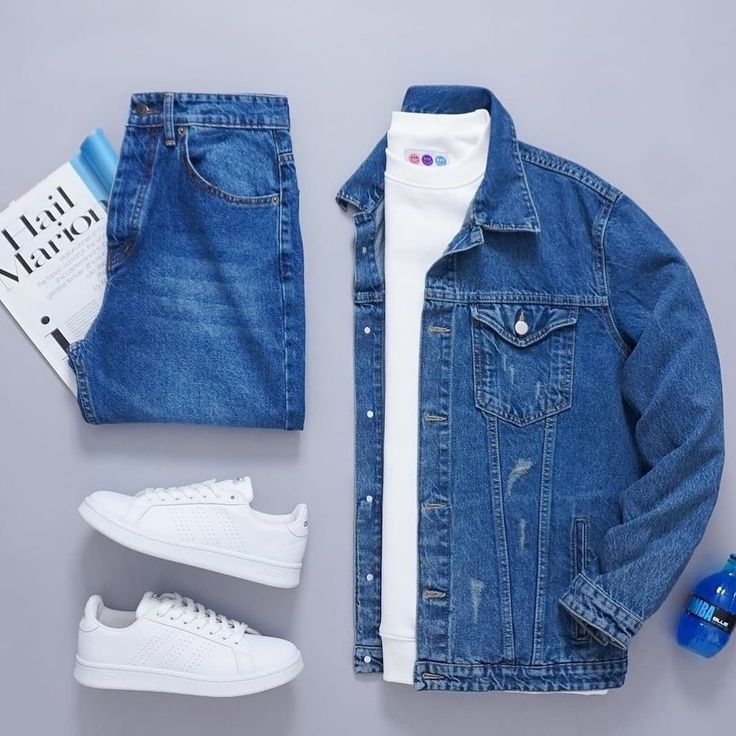


Casual wear is, in a strange way, the hardest category of men’s style to get right. A suit comes with rules built in: jacket length, shirt collar, tie width, all decided for you by decades of convention. Casual wear has none of that. Nobody hands you a manual for jeans and a t-shirt, which means most men are left to figure it out by trial and error, or by copying whatever looks vaguely right without understanding why it works.
And yet the stakes are oddly high, because casual is what you actually wear almost every day. It’s the outfit for errands, first dates, flights, dinners with friends, working from home, weekend trips, and the hundred other situations that don’t call for a suit but still involve other people seeing you. The gap between “looks effortless” and “looks like you rolled out of bed” in casual wear is often just a few small decisions: whether the shoulder seam sits in the right place, whether the two colors you’re wearing actually belong together, whether the jacket you added was worth adding at all. None of that is obvious unless someone explains it, and most men never get the explanation.
This guide is that explanation. It goes deep on the things that actually separate a good casual outfit from a mediocre one: how to judge fit for real instead of guessing, which fabrics are worth paying more for, how to build a wardrobe where every piece works with every other piece, where to spend and where to save, how to adjust for the season without buying a new closet every few months, and where casual, smart casual, and streetwear actually diverge. None of it depends on a passing trend, which is the point: fit, fabric, and color logic don’t expire, and once you understand them, getting dressed well stops being guesswork.
1. Fit: The One Thing That Actually Matters
Price, brand, and trend all matter less than fit. A t-shirt that fits your shoulders correctly beats a shirt that doesn’t. Here’s how to actually judge fit, piece by piece.
T-shirts and casual tops: The shoulder seam should sit exactly at the edge of your shoulder bone, not drooping down your arm, not pulling up onto your neck. The chest and waist should skim your body without pulling across buttons or ballooning out. Sleeve length should hit mid-bicep for short sleeves; anything past the elbow reads as oversized rather than relaxed.
Jeans and trousers: The rise (distance from crotch to waistband) should match your torso: too low and the pants sag when you sit, too high and they bunch uncomfortably. At the thigh, you should be able to pinch about an inch of fabric; any more and they’re baggy, any less and they restrict movement. Break at the shoe is a style choice: no break (hem stops right at the shoe) looks modern and clean, while a slight break looks classic and works with almost any shoe.
Jackets and overshirts: Shoulder seams are non-negotiable; they can’t be altered easily, so if the shoulder doesn’t sit right in the store, the jacket isn’t for you regardless of how the rest fits. You should be able to make a fist and raise your arms without the jacket riding up dramatically. Sleeve length should end where your wrist meets your hand, showing a bit of shirt cuff underneath if you’re layering.
Body-type notes: Broader or heavier builds generally look best in structured, mid-weight fabrics that hold their shape rather than clingy knits; vertical details (like a half-zip or a shirt with a long placket) elongate the torso. Slimmer or leaner builds can use texture and layering (a knit over a shirt, a field jacket over a hoodie) to add visual weight without looking bulky. Taller men can experiment with higher rises and looser cuts without looking sloppy, since the extra fabric has room to hang properly; shorter men generally look sharper in slimmer cuts and higher-contrast outfits (a lighter top with darker trousers), which visually break up the body and elongate the leg line.
2. Fabric: What You’re Actually Paying For
Fabric quality is where cheap and expensive clothing diverges the most, even when they look identical on a hanger.
- Cotton: The workhorse of casual wear. Heavier weights (like 200+ GSM for t-shirts) hold shape better, resist see-through, and last longer through washes. Combed or ring-spun cotton (check the tag) feels notably softer than standard cotton and pills less.
- Denim: Measured in ounces per yard. Lighter denim (under 12oz) is softer and more flexible out of the box but wears out faster. Heavier denim (12-16oz+) is stiffer initially but molds to your body over time and lasts years longer; raw or selvedge denim in this range is a worthwhile investment if you wear jeans daily.
- Wool and wool blends: Merino wool is the best all-rounder for sweaters, since it regulates temperature, resists odor, and doesn’t itch like coarser wool. A wool-cotton or wool-acrylic blend is more affordable and more durable but loses some of merino’s breathability.
- Synthetic blends (polyester, elastane): A small percentage (2-5%) of elastane in jeans or chinos adds stretch and comfort without sacrificing structure. Higher percentages of polyester in t-shirts make them cheaper and more wrinkle-resistant, but they trap heat and often pill faster than cotton.
- Linen: Breathes better than any other common fabric, making it the best choice for hot weather, but it wrinkles easily by nature. That’s a feature of the fabric, not a flaw, and pressing it flat defeats the point of wearing it.
Reading a care label before buying tells you more about durability than the price tag. Garments that require hand-washing or dry cleaning for casual wear are usually more trouble than they’re worth; look for machine-washable fabrics for anything you’ll wear often.
3. Color Theory for Getting Dressed Fast
Most outfit mistakes are color mistakes, not fit mistakes. A simple system fixes this permanently.
Split your wardrobe into neutrals and accents. Neutrals are navy, grey, black, white, tan, and olive: colors that pair with almost everything. Accents are anything more saturated (burgundy, mustard, forest green, rust). A reliable formula: two neutrals plus one accent, maximum. An all-neutral outfit always looks intentional; an all-accent outfit rarely does.
Match warm with warm, cool with cool. Navy (cool) pairs naturally with grey, white, and icy blues. Tan and olive (warm) pair naturally with cream, rust, and brown. Mixing warm and cool neutrals (like navy and tan) still works, but mixing warm and cool accents in the same outfit often clashes.
Contrast creates polish; matching tones creates flatness. A navy top with navy trousers in the same shade can look like a uniform. A navy top with charcoal or tan trousers has enough contrast to look deliberate. When in doubt, aim for at least one shade of separation between top and bottom.
4. Building a Capsule Wardrobe
A capsule wardrobe is a small set of pieces chosen so that everything mixes with everything else: the goal is the maximum number of outfits from the minimum number of items.
The core 15 pieces:
- 2 pairs of jeans: one dark wash for dressier occasions, one mid-wash for everyday wear
- 1 pair of chinos in tan or olive
- 5 t-shirts: white, black, navy, grey, and one muted accent color
- 2 button-up or long-sleeve shirts: one solid, one with subtle texture or pattern
- 1 overshirt or lightweight jacket for layering
- 1 crewneck or quarter-zip sweater in a neutral tone
- 1 versatile outer jacket: denim, bomber, or field jacket
- 1 pair of white or off-white sneakers
- 1 pair of boots or loafers for a dressier option
With just these 15 items, built around 3-4 shared colors, you can construct 20 or more distinct outfits. The most common capsule wardrobe mistake is buying pieces you individually like that don’t share a palette: a great burgundy jacket and a great forest-green sweater might both be “nice,” but if neither matches anything else you own, they’re dead weight rather than building blocks.
Transitioning into a capsule wardrobe: Don’t purge your closet overnight. Over the course of one season, wear every item you own at least once. Anything you consistently avoid reaching for goes into a donate or sell pile. Replace gaps gradually, always checking new purchases against the colors you already own, rather than buying a whole new wardrobe at once.
Maintenance extends the life of a small wardrobe more than a large one. Wash jeans and knitwear inside-out on cold to preserve color and shape. Air-dry sweaters flat rather than machine-drying, since heat breaks down wool fibers and causes shrinking. Rotate shoes rather than wearing the same pair daily; letting them air out between wears roughly doubles their lifespan.
5. Budget Strategy: Where to Spend and Where to Save
Worth spending more on:
- Jeans: cheap denim thins and fades unevenly within months; a well-made pair lasts years and improves with age.
- Outerwear: a jacket gets worn hundreds of times across its life, so cost-per-wear drops fast even on a pricier piece.
- Shoes: cheap soles wear out and cheap uppers crack; foot comfort and shoe longevity are both worth paying for.
Fine to buy cheap:
- Basic t-shirts: they get replaced often regardless of quality, so mid-range is usually the sweet spot.
- Socks and undershirts: nobody sees them, and they wear out from washing regardless of price.
- Trend-driven pieces: anything you’re not confident you’ll still wear in two years is a poor place to spend heavily.
A practical budget allocation: if you’re building a wardrobe from scratch, put roughly 40% of your budget into two or three hero pieces (one great jacket, one great pair of boots or jeans), and the remaining 60% into affordable basics. One excellent piece does more visible work in an outfit than five mediocre ones, because it’s usually the piece your eye goes to first.
6. Dressing for the Season
Rather than chasing short-lived trends, adapting your existing capsule wardrobe by season keeps things simple and keeps your wardrobe useful for years. The goal isn’t a separate wardrobe for each season; it’s knowing which pieces from your core capsule to lean on, and which one or two seasonal additions actually earn their closet space.
Hot weather
Breathability matters more than styling when temperatures climb, and the fabric choice does most of the work before you even think about the outfit itself.
- Fabric priority: Linen and lightweight, open-weave cotton beat everything else for airflow. A slightly wrinkled linen shirt is more comfortable, and reads just as sharp, as a stiff, sweat-through synthetic. Avoid anything with significant polyester content against the skin in real heat; it traps warmth and moisture rather than releasing it.
- Color logic: Lighter shades (white, cream, sky blue, sand) reflect heat rather than absorb it, which is a real physical difference outdoors, not just a style preference. This is also when a single confident accent color, like a rust or sage tee or a muted terracotta polo, can carry an entire outfit, since you’re not layering enough pieces to build contrast through layering alone.
- Silhouette: Looser fits allow air to circulate against the skin, which is why traditional hot-climate clothing (guayaberas, camp collars, wide-leg linen trousers) is cut roomy rather than slim. A slim fit in heavy heat is a style choice you’ll pay for in comfort.
- Footwear: Canvas sneakers, espadrilles, or leather sandals breathe far better than synthetic athletic shoes. Avoid dark socks with visible ankle in bright heat if you want the outfit to look intentional rather than mismatched.
- What to add to the capsule: One or two short-sleeve linen or camp-collar shirts and a pair of shorts in a neutral tone (navy or olive, not black, which reads as swimwear rather than casual wear) round out a warm-weather capsule without needing much else.
Cool weather (spring/autumn transitional)
This is where layering does the most visual and practical work, and where a small wardrobe stretches furthest, since the same handful of pieces can be recombined as temperatures shift through the day.
- The three-layer formula: A base layer (t-shirt or thin long-sleeve), a mid layer (overshirt, flannel, or light sweater), and an outer layer (denim jacket, field jacket, or light bomber) in three complementary neutrals looks more deliberate than any single heavy coat, and lets you remove a layer as the day warms without the outfit falling apart.
- Texture over pattern: Textured knitwear, such as cable knit, waffle weave, or ribbed collars, adds visual interest that a flat fleece or plain hoodie can’t, and it does this without needing bold color or pattern, which keeps the outfit easy to build.
- Managing temperature swings: Mornings and evenings often run 15-20 degrees cooler than midday in transitional seasons. A layer you can tie around the waist or stuff in a bag (an overshirt rather than a bulky jacket) is more practical than a single garment sized for the coldest part of the day.
- What to add to the capsule: One mid-weight overshirt in a workwear fabric (canvas, brushed cotton, or light corduroy) is the single most versatile transitional-season purchase; it layers over a tee alone in mild weather and under a jacket in colder snaps.
Cold weather
Cold-weather dressing is the one place where warmth has to come before styling, but the two aren’t in conflict if you layer correctly.
- Fabric priority: Wool and wool blends outperform cotton for warmth-to-weight ratio and continue insulating even when slightly damp, which cotton doesn’t. Merino base layers under a knit are warmer than a single heavy cotton hoodie and far less bulky.
- Layering for warmth, not just looks: A thin merino or cotton base layer, a wool sweater or heavier knit, and a structured coat (wool overcoat, heavy field jacket, or parka) traps warm air between layers more effectively than one thick garment. Down or synthetic-fill jackets add warmth without bulk if the coat itself needs to stay lightweight.
- Color and texture: Darker, richer neutrals (charcoal, chocolate brown, forest green) suit heavier fabrics and colder light better than the pale tones that work in summer. Textured wool (herringbone, flannel, boucle) reads as more intentional than smooth synthetic outerwear.
- Footwear: Leather boots with a real sole (not fashion boots with thin soles) handle cold pavement and occasional snow far better, and a waterproofing treatment on leather boots before the season starts prevents salt-stain damage.
- What to add to the capsule: One genuinely warm coat, whether a wool overcoat, shearling-lined jacket, or down parka depending on climate, is worth the biggest single spend in a cold-weather wardrobe, since it’s worn constantly and directly affects comfort, unlike almost anything else you own.
Wet weather
Rain deserves its own category regardless of temperature, since the wrong fabric choice ruins an outfit and the garments themselves faster than any other condition.
- Outerwear: A jacket with a genuine water-resistant or waxed-cotton finish is worth the investment over a fashion jacket that looks similar but soaks through in ten minutes. Taped seams and a genuine DWR (durable water repellent) coating are worth checking for on anything marketed as rain-ready.
- Footwear: Suede and unsealed leather are the most common casual-wear casualties of rain: water stains suede permanently and warps unsealed leather. Rubber-soled leather boots, treated leather, or dedicated rain boots are safer choices on wet days.
- Fabric to avoid: Raw or dark denim can bleed dye when soaked repeatedly, and heavy cotton takes a long time to dry, becoming genuinely uncomfortable if you’re out for hours. A treated or blended fabric dries faster and holds its shape better when wet.
The transition mindset
Rather than buying a full separate wardrobe for each season, the most efficient approach is adding one or two season-specific pieces (a linen shirt, an overshirt, a proper coat, a treated rain jacket) to the core 15-piece capsule from Section 4, and rotating which of your existing neutrals and layers you reach for as the weather shifts. This keeps the wardrobe small, keeps everything still matching everything else, and avoids the trap of a closet full of once-a-year purchases that don’t talk to the rest of your clothes.
7. Casual vs. Smart Casual vs. Streetwear
“Casual” isn’t one single dress code. It covers a wide range, from throwing on whatever’s clean to a deliberately put-together look that could pass in a nice restaurant. Knowing where an outfit sits on that spectrum, and where streetwear fits alongside it, makes it much easier to dress correctly for a given occasion instead of guessing.
Casual
Casual is the baseline: comfortable, unfussy clothing with no real dress code attached. Jeans, a plain tee, and sneakers is casual. The goal is comfort and simplicity, not signaling effort, though, as covered throughout this guide, “no effort” still looks better when fit and color are right. Casual is appropriate for errands, hanging out with friends, working from home, or any setting with genuinely no expectations around appearance.
Casual staples: t-shirts, jeans, sweatshirts, sneakers, hoodies, shorts.
Smart casual
Smart casual sits between casual and business dress: it’s “put together” without a jacket-and-tie level of formality. This is the dress code most often requested for weddings without a strict code, dinner reservations, date nights, or office environments that have dropped suits but still expect some effort.
The core difference from plain casual is usually one or two upgraded pieces rather than a whole different wardrobe:
- Swap t-shirt for a button-up or a quality polo. A collar instantly reads as more deliberate than a crewneck tee, even paired with the same jeans.
- Swap sneakers for loafers, boots, or minimal leather trainers. Footwear does more to signal formality level than almost anything else in an outfit.
- Swap jeans for chinos or dark, unfaded denim. Lighter or heavily distressed denim reads as casual regardless of what’s worn on top; a dark, clean wash reads as smart casual.
- Add a layer. An unstructured blazer, a quality overshirt, or a cardigan over a plain top raises the formality of the whole outfit without adding stiffness.
A reliable smart casual formula: dark jeans or chinos, plus a button-up shirt (tucked or half-tucked), plus loafers or clean leather sneakers, with an optional blazer or overshirt layered on top.
Smart casual staples: button-up shirts, polos, chinos, dark unfaded denim, loafers, unstructured blazers, quality knitwear.
Streetwear
Streetwear is a distinct style lane rather than a formality level. It can be dressed up or down, but it’s built around a different set of references: skate culture, hip-hop, sneaker culture, and Japanese and American workwear influences, rather than traditional menswear.
What defines streetwear as a category:
- Graphics and branding. Logos, prints, and brand collaborations are often the point, not something to minimize; this is one of the clearest differences from the minimal-branding approach of classic casual or smart casual dressing.
- Oversized and relaxed silhouettes. Streetwear frequently plays with proportion deliberately: a boxy tee, wide jeans, an oversized jacket, rather than the fitted-but-not-tight approach recommended elsewhere in this guide. The oversized fit is the style, not a mistake, as long as it’s consistent across the outfit rather than accidental.
- Sneakers as the centerpiece. In streetwear, footwear is often the most expensive and most deliberately chosen piece in the outfit, sometimes built entirely around a specific sneaker.
- Layering and workwear pieces. Hoodies, cargo pants, work jackets, and utility vests are staples, often mixed with more technical or sport-influenced pieces (technical shells, track pants).
Where streetwear and classic casual overlap: a plain oversized tee, well-fitted jeans, and clean sneakers can read as either minimalist streetwear or simply casual; the line is blurry at the simpler end. The categories diverge most clearly at the graphic-heavy, proportion-driven, sneaker-focused end of streetwear, which has few equivalents in traditional smart casual dressing.
Mixing streetwear into a smart casual or classic capsule: the easiest crossover pieces are quality sneakers (which work across nearly all three categories), a well-cut bomber or field jacket, and one graphic tee or hoodie kept as an accent rather than head-to-toe branding. Going all-in on streetwear silhouettes (very oversized, heavily branded) while also trying to hit smart casual occasions rarely works, since the two are built around different rules, and mixing them without intent usually reads as mismatched rather than versatile.
8. Outfit Formulas That Always Work
- Everyday errands: dark jeans + plain tee + overshirt + white sneakers
- Casual dinner: chinos + button-up shirt, half-tucked + loafers
- Weekend layering: jeans + crewneck sweater + field jacket + boots
- Warm-weather casual: chino shorts or lightweight trousers + linen shirt + canvas sneakers
- Smart-casual meetup: dark jeans + button-up shirt, tucked + blazer or unstructured jacket + leather shoes
Each formula draws from the same 15-piece capsule above, which is the entire point: a wardrobe built around shared colors and fabrics stretches far further than one built from one-off purchases.
9. Common Mistakes Worth Avoiding
- Buying for the hanger, not the body. A garment can look great on a display or a model and still fail on your specific proportions. Always try before buying when possible, and know your own measurements when buying online.
- Over-layering without contrast. Three items in the same shade of grey reads as one shapeless block, not intentional layering; vary the shade or texture between layers.
- Ignoring shoe-to-outfit balance. Chunky, statement sneakers can overwhelm a simple outfit; minimal white sneakers or leather shoes let the rest of the outfit speak.
- Skipping fabric weight for climate. A heavy hoodie in summer or a thin tee in winter is rarely about style; it’s usually just about being uncomfortable, and it shows.
The Bottom Line
Good casual style isn’t about owning more clothes. It’s about owning the right clothes, in colors and fabrics that work together, fitted to your actual body. Master fit first, understand fabric second, build a small color-coordinated core third, and everything else, including whatever trend is popular this year, is just seasoning on top of fundamentals that don’t expire.